Do not hesitage to give us a call. We are an expert team and we are happy to talk to you.
09810066496 | 09811066496
info@sikkimtourism.org
An 8 day Bhutan itinerary is the sweet spot: Paro, Thimphu, Punakha and the Phobjikha (Gangtey) valley, with the Tiger's Nest hike saved for a rested morning near the end. Fly into Paro, settle into Thimphu, cross Dochula Pass into warm Punakha, climb to Phobjikha for the black-necked cranes, then finish at Taktsang. Indian nationals need only an entry permit and a passport or Voter ID.
Eight days is the sweet spot for Bhutan. Shorter and you spend half your trip in the car; longer and you start repeating the same dzong-and-viewpoint rhythm. This Bhutan itinerary for 8 days moves at a pace that lets you actually breathe the mountain air rather than tick boxes. You start in Paro, settle into Thimphu, cross the prayer-flag saddle of Dochula into warm Punakha, then climb up to the misty Phobjikha valley where the black-necked cranes winter. The finish is the one everyone comes for: the walk up to Tiger's Nest.
We have run this route in both spring and late autumn, and it holds up in either season. What we like about eight days is the second day it gives you in Punakha and Phobjikha, the two places most rushed tours skip or squeeze. You get real village time, a proper river valley, and a rest day built in before the Taktsang hike so your legs are fresh. It is culture, mountains and slow travel in one loop, without the exhausting back-and-forth driving that ruins so many Bhutan trips.
This 8-day Bhutan plan suits first-time visitors who want the classic western Bhutan loop without feeling rushed. It works well for couples, families with older children, small groups of friends, and solo travellers who want culture and light hiking in the same trip. If you are reasonably fit and can manage the Tiger's Nest climb at your own pace, you will be comfortable.
It is a good fit if you value slow mornings, real village and valley time, and a rest day before the big hike. It is less suited to hardcore trekkers chasing multi-day high-altitude routes, and to anyone who only has three or four days, in which case a Paro and Thimphu short trip makes more sense. Photographers, culture lovers and anyone wanting a calm, unhurried Himalayan holiday will get the most out of it.
If you fly in, the Paro landing is worth staying awake for; the plane threads between the ridges. If you are coming overland from India through Phuentsholing, the drive up is longer but scenic. Complete permit formalities, then drive to Thimphu (about 1.5 hours, 54 km). Evening at leisure to adjust to the altitude. Thimphu sits around 2,330 m, so take it slow tonight. Overnight in Thimphu.
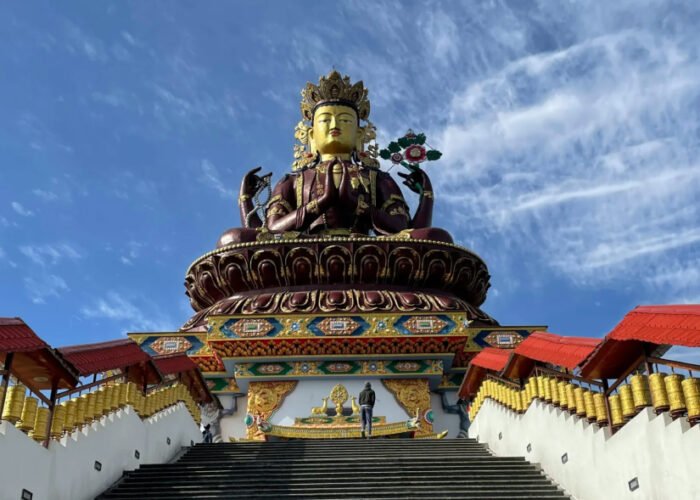
A full day in the capital. Buddha Dordenma in the morning, then the takin preserve to see Bhutan's odd national animal, the memorial chorten where locals circle in prayer, and the Folk Heritage Museum. If you are here on a Saturday or Sunday, the Centenary Farmers' Market is the best cultural stop in the city. End at Tashichho Dzong. Overnight in Thimphu.
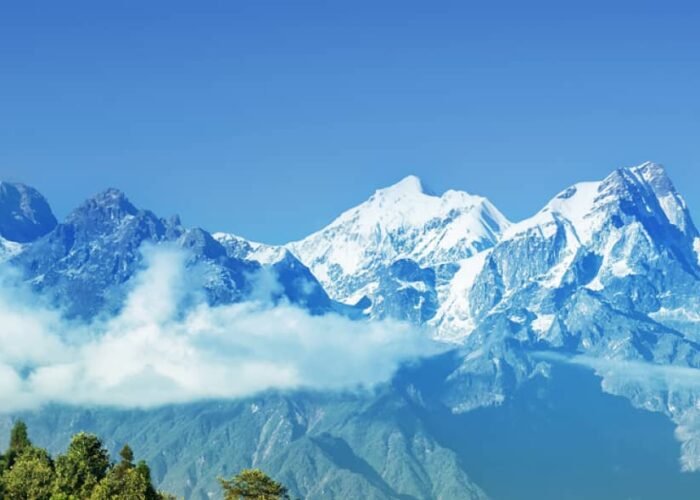
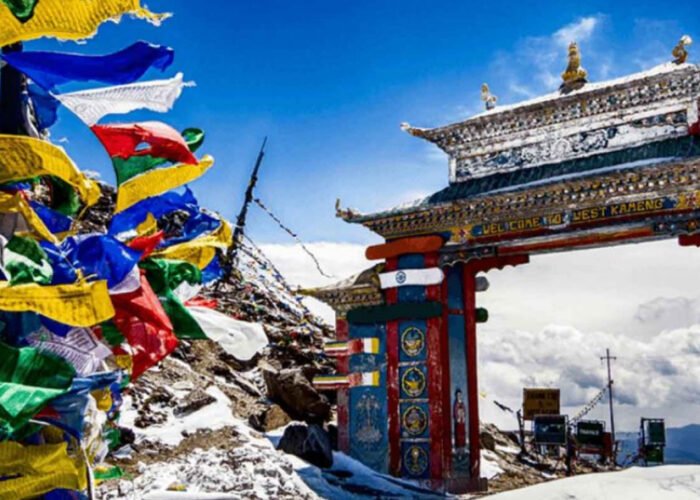
Drive over Dochula Pass (3,100 m). On a clear winter morning the eastern Himalaya lines up behind the 108 chortens; on a cloudy day you get atmosphere instead, so no complaints either way. Descend into the Punakha valley, which is noticeably warmer and greener. Walk through rice fields to Chimi Lhakhang in the afternoon. Overnight in Punakha (around 1,200 m, pleasant and low).
This is the day rushed itineraries cut, and it is the one we would fight to keep. Visit Punakha Dzong in the morning when the light is on the whitewashed walls. Cross the long Punakha suspension bridge. In the afternoon, an easy walk up to Khamsum Yulley Namgyal Chorten through paddy fields, or a gentle river float if the season allows. Overnight in Punakha.
Drive up to the Phobjikha valley (about 3 hours), climbing back into cooler pine and rhododendron country. This wide glacial valley is one of the quietest, most beautiful corners of Bhutan. Visit Gangtey Monastery. If you come between late October and February, the black-necked cranes are here. Overnight in Phobjikha (around 2,900 m, cold at night, pack layers).
A longer driving day back across Dochula and on to Paro (roughly 5 to 6 hours with stops). Break the drive with lunch and a leg-stretch. Arrive Paro by evening and rest, because tomorrow is the big climb. Overnight in Paro.
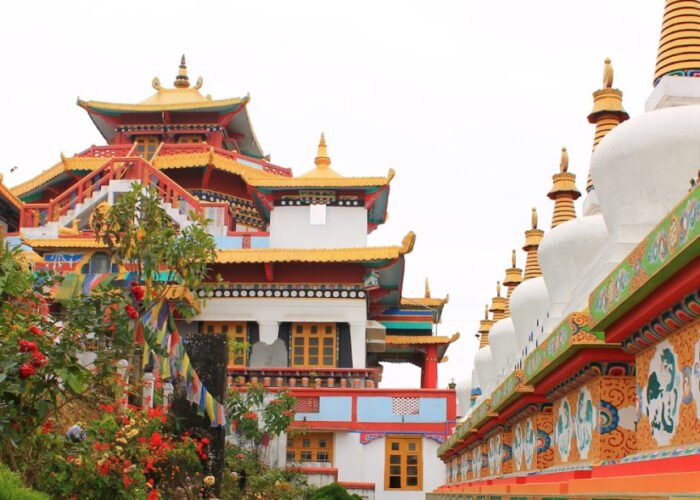
Start early. The hike to Paro Taktsang is about 4 to 6 hours round trip, climbing roughly 900 m from the car park to the monastery clinging to the cliff. There is a cafeteria at the halfway viewpoint for tea and a breather. It is a genuine workout, not a stroll, but people of average fitness manage it at a steady pace. Ponies are available for the way up only. Afternoon back in Paro town, visit Kyichu Lhakhang, one of Bhutan's oldest temples. Overnight in Paro.
Depending on your flight or drive time, a slow morning in Paro, maybe the National Museum or a last walk along the old town, then transfer to the airport or start the drive back to the border. Trip ends.
Here is the part most itineraries skip: the real, current cost of entry, and how it differs by nationality. Bhutan charges a Sustainable Development Fee (SDF) per person per night, on top of your tour and hotel.
|
Traveller |
SDF per night |
7 nights (this trip) |
One-off visa fee |
|---|---|---|---|
|
Indian adult |
₹1,200 |
₹8,400 |
None |
|
Indian child (6 to 12) |
₹600 |
₹4,200 |
None |
|
Indian child (5 and under) |
Exempt |
Exempt |
None |
|
Foreign adult |
USD 100 |
USD 700 |
USD 40 |
|
Foreign child (5 to 11) |
USD 50 |
USD 350 |
USD 40 |
|
Foreign child (under 5) |
Exempt |
Exempt |
Waived |
What the trip itself costs: the SDF above is separate from the tour. As an indicative guide, an 8-day, 7-night land package on this western-plus-Phobjikha circuit (hotels, guide, private vehicle, permits, and full-board meals) typically starts around ₹38,000 to ₹48,000 per person for Indian travellers on twin sharing, before SDF and travel to Bhutan. It moves with season, hotel category, and group size. A solo traveller pays more per head than a group of six. We quote to your exact dates rather than a fixed shelf price, so ask us for a firm number.
Permit rules by nationality:
Indian nationals need an entry permit, obtained online at immi.gov.bt or at the port of entry, plus a valid Indian passport (six months' validity) or a Voter ID card. Travellers under 18 can use a birth certificate or passport and must be with a legal guardian. The entry permit covers Paro and Thimphu; going on to Punakha and Phobjikha means a route permit is issued as part of the same process through your operator.
Foreign nationals (except Indian, Bangladeshi and Maldivian passport holders) need a visa applied through the immi.gov.bt portal, usually via a licensed operator, with travel insurance for the trip and a passport valid at least six months.
The discounted foreign SDF of USD 100 per night is a time-limited rate currently held until 2027. Rates and rules change often, so confirm the current figures with us before you pay.
Planning your trip with sikkimtourism.org: we are based in the eastern Himalaya, next door to Bhutan, not in an office three states away. We know the Phuentsholing crossing on a busy morning, which Dochula viewpoint clears first, and when the cranes actually arrive in Phobjikha rather than when the brochures say they do. We file your entry and route permits, hold hotel and guide relationships across the route, and build the driving around the weather, including the rest day before Tiger's Nest. Want this as a fixed package? See our Bhutan tour packages or just enquire with our Bhutan team.
When you engage sikkimtourism.org, an upfront payment confirms and holds your reservation. The balance is due before your services begin, paid at departure or on arrival at the destination. We decide the advance amount case by case, based on the services booked and the gap between your booking and start dates.
Some peak stretches call for full payment at booking rather than a partial advance, the Christmas and New Year rush being the obvious one, when demand and rates for every linked service climb together. Booking early is wise. All payments are made by wire transfer to our bank.
You can change, cancel or shorten confirmed dates only with 30 days' written notice, and only if availability allows. Within 30 days of travel we cannot amend, postpone or cancel, and the entire package amount is retained. No-shows receive no refund, and there is no credit for unused nights or an early departure.
Travellers with an international bank account are responsible for any bank charges on the refund. Refunds are issued to the original payment method, except cash, which we return by cheque or online transfer. We begin processing valid refunds within five working days of your written cancellation. Refunds made outside this policy attract a premium of 10% plus 18% tax.
Important: bookings made from 01 March 2026 to 15 July 2027 are non-refundable, as are bookings made from 15 December 2026 to 15 January 2027.
No. Indian nationals travel on a Bhutan entry permit, not a visa, and we arrange it for you. Carry a valid passport or a Voter ID card. The 2026 Sustainable Development Fee for Indians is INR 1,200 per adult per night, INR 600 for children 6 to 12, and free under 6.
March to May for spring blooms and Paro Tshechu, and October to November for the clearest Himalayan views. If seeing the black-necked cranes in Phobjikha matters to you, come between late October and February, that is the only window they are there. June to August is green and cheaper but the roads can be slow after heavy rain.
It is a real workout, not a stroll: about 900 m of climbing over 4 to 6 hours round trip, at altitude. The rest day we build in on Day 6 means your legs are fresh for it. People of average fitness manage it at a steady pace with tea stops. Ponies are available for the way up only, not the descent.
Only if your dates fall between late October and February, when the cranes fly down to winter in the valley. Outside that window Phobjikha is still one of the quietest, prettiest valleys on the route, but the birds will not be there. Nights are cold and heating is limited, so pack warm layers whatever the season.
The Sustainable Development Fee is a government charge, not our margin, so we keep it separate and clear. For Indian nationals it is INR 1,200 per person per night, half for children 6 to 12, and free for children 5 and under. Foreign nationals pay a different rate, so ask us and we will confirm the current figure for your dates.