Overview: The best time to visit Darjeeling is late September to November and March to May. Autumn (October, November) gives you the clearest Kanchenjunga views and crisp, dry air after the monsoon. Spring (March to May) brings mild days, blooming rhododendrons and the first tea flush. Skip July and August, when heavy rain, fog and landslides shut down the views. December to February is beautiful and cold, ideal if you want empty streets and snow-dusted peaks.
I have driven up to Darjeeling in every season, and I will tell you plainly: the town is a different place in April than it is in July. In one month you get a sunrise over Kanchenjunga so sharp it looks fake. In another you sit in your homestay for two days watching cloud pour through the window while the road below you slips. So the honest answer to when you should go depends less on the calendar and more on what you actually want out of the hills.
That is my read after years of running trips on both sides of the Sikkim to Darjeeling border, and this guide is written the way our team would tell a friend. Weather by season, a full month-by-month rundown from January to December, the right window for each activity, and the crowd and price traps that most travel pages quietly skip.
This is the postcard season and the busiest one. Days sit around 15C to 25C, skies stay mostly clear, and the hillsides turn colour as rhododendrons open, roughly late March into April up on the Singalila ridge. The first tea flush is being plucked across the gardens through March and April, so a tea estate walk is at its best now. Two honest cautions. Spring throws the odd afternoon hailstorm and a sharp wind, so pack a layer. And by mid-May the air can turn hazy and warm as the pre-monsoon builds, which softens those long mountain views.
June is a hinge month. The first half can still be lovely, then the rain sets in. Through July and August Darjeeling gets heavy, persistent rainfall, thick fog, and the real problem, landslides on the hill roads. The Hill Cart Road, Rohini and Pankhabari routes can all close for hours or days, and Pagla Jhora, the landslide black spot on the Hill Cart Road, is the one that catches people out. Temperatures stay cool, around 14C to 20C. If you come now, come for the wrong reasons in the right way: the hills are impossibly green, hotels are at their cheapest, crowds vanish, and the Teesta below runs high for rafting. Just do not book this window if seeing Kanchenjunga is the point of your trip, because most mornings it will be hidden.
If you asked me to pick one window, this is it. The monsoon clears out by late September and washes the dust from the air, so visibility is at its best all year. Days are fresh at roughly 14C to 20C, the tea gardens are into their autumn flush, and Tiger Hill sunrises over Kanchenjunga are as reliable as the hills ever get. The catch is people. This is peak season, and the Durga Puja and Dashain holidays around late September and October bring a heavy rush of visitors, mostly from Bengal, along with the year’s highest room rates. More on dodging that below.
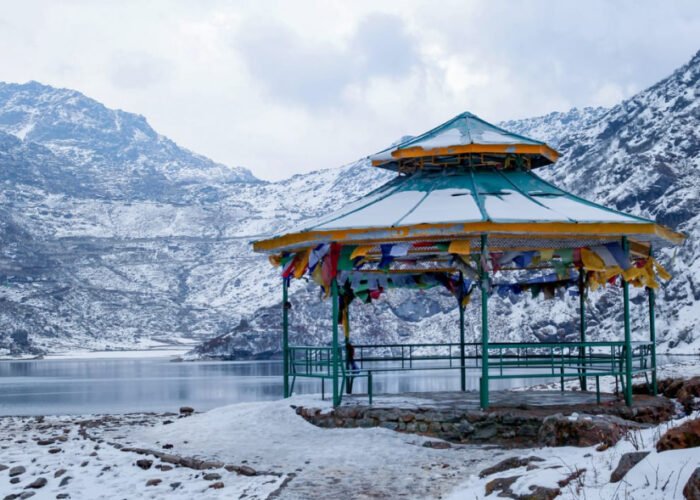
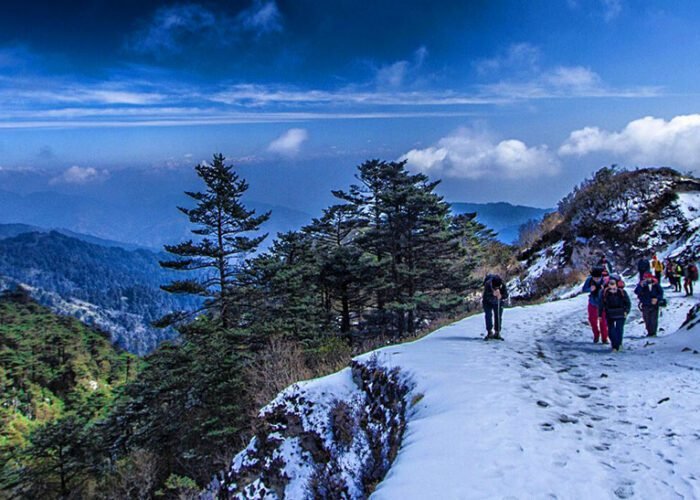
Winter is underrated if you do not mind the chill. Skies stay clear, the peaks often carry fresh snow, and the crowds thin right out. Daytime is cool, roughly 3C to 12C, and nights get genuinely cold, dropping near or below freezing in January and February, so Tiger Hill at dawn is a proper cold-weather outing. Snowfall in Darjeeling town itself is rare and never guaranteed, usually a light dusting if it comes, most likely late December to January (to confirm for your travel dates). Higher points like Sandakphu see it more often.
A quick, honest read on each month so you can match the calendar to your kind of trip.
This is the coldest stretch of the year, and it rewards anyone who packs properly. Skies stay crisp and clear, the odds of a light snow dusting are at their best, and days hover near 3C to 10C with nights below freezing. You get the fewest tourists and the lowest non-festival rates of the year. Bring serious warm layers, because dawn at Tiger Hill in January is no joke.
Still cold and clear, slowly warming by month end. Losar, the Tibetan New Year, usually falls around February or March and brings monastery celebrations in and around town (dates shift with the lunar calendar, to confirm). A quiet, scenic month.
Spring begins. Days turn mild, the first tea flush starts, and the hills begin to bloom. Views are still good before the summer haze. One of the best all-round months to arrive.
Peak spring and, for many, the single best month. Rhododendrons colour the Singalila ridge, weather is comfortable, and Sandakphu treks are in full swing. It is also a peak-price and peak-crowd month, so book rooms and permits early.
May is warm, busy and slowly hazing over as the pre-monsoon builds. School-holiday families arrive in numbers and tariffs climb with them. It is still good for the tea gardens and the second flush, but those long mountain views get less reliable as the month wears on.
A gamble. Early June can be pleasant; by mid-month the monsoon usually arrives with rain and cloud. Prices soften as crowds leave. Fine for greenery and lower budgets, poor for guaranteed views.
Deep monsoon. Heavy rain, fog and a real risk of landslides and road closures. Cheapest hotels of the year and empty viewpoints. Come only if you love rain-soaked hills and can stay flexible with plans.
August runs much like July, wet and green with unpredictable roads. The Independence Day weekend brings a short domestic rush, then it empties again. Best skipped if Kanchenjunga is the reason you are coming.
The turnaround month. Rain eases through the second half, the air clears, and the hills look freshly scrubbed. Late September is a sweet spot: good weather returning, crowds not yet at full peak. Watch for early Puja dates.
Prime time. Dry, clear, brilliant mountain views and pleasant days. It is also the busiest and priciest month thanks to the Durga Puja and Dashain holidays. Book two to three months ahead or aim for the back half of the month once the rush eases.
Arguably the best month of all: dry, mild, superb visibility, and thinning crowds after the festival rush. The Darjeeling Carnival, usually a ten-day event, runs this month, and the Teesta Tea and Tourism festival spills into November and December (dates vary yearly, to confirm).
Cold and clear, with a festive buzz around Christmas and New Year that briefly lifts crowds and rates in the last week. The Orange festival in the nearby hills falls this month. Peaks are often snow-capped, town stays crisp and bright.
Weather changes what you can actually do here. Line up the activity with its window and you will not waste a trip.
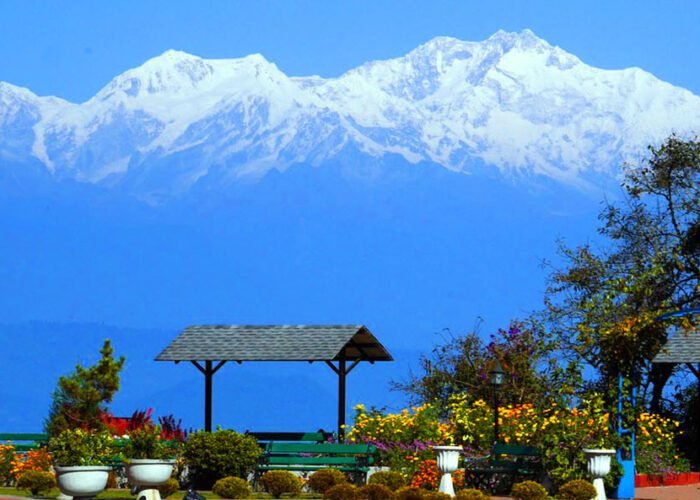
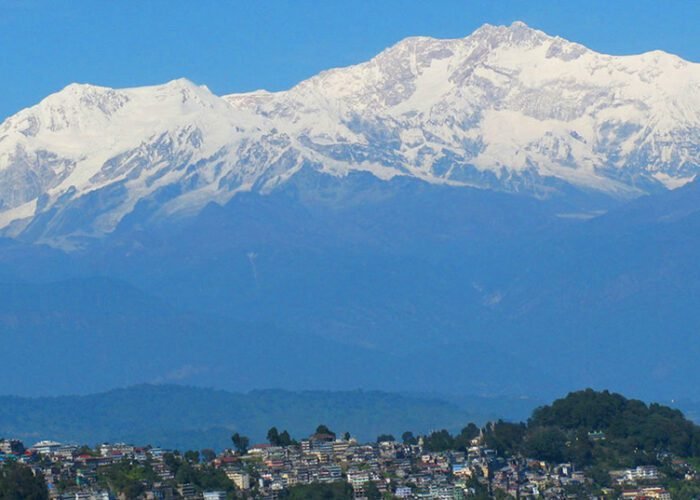
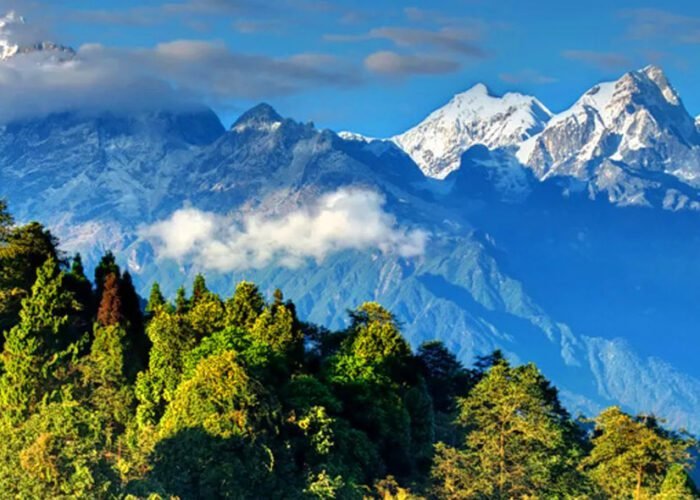
Best in October and November, and again in March and April, when the sky is clearest. Winter mornings are also very clear but bitterly cold at dawn. Avoid the monsoon, when cloud usually swallows the peak.
Two windows: spring, roughly March to May, when rhododendrons are in bloom, and autumn, October to November, when skies are crisp after the rains. Both give you the famous Sleeping Buddha line-up of peaks. Avoid monsoon, when the trail is leech-ridden and views vanish, and deep winter, when snow and cold make it far tougher.
Best from around October to April on stable, clear days. Operators usually pause in the wettest and windiest spells, and paragliding is often avoided in the cold, foggy heart of winter (January and February). Always confirm on the day, as flights depend on wind and visibility.
This one flips the rule. Rafting is best when the rivers run high, so the monsoon and just after, roughly June to September, give the strongest flow. Grade of rapids rises with the water, so book with an established operator.
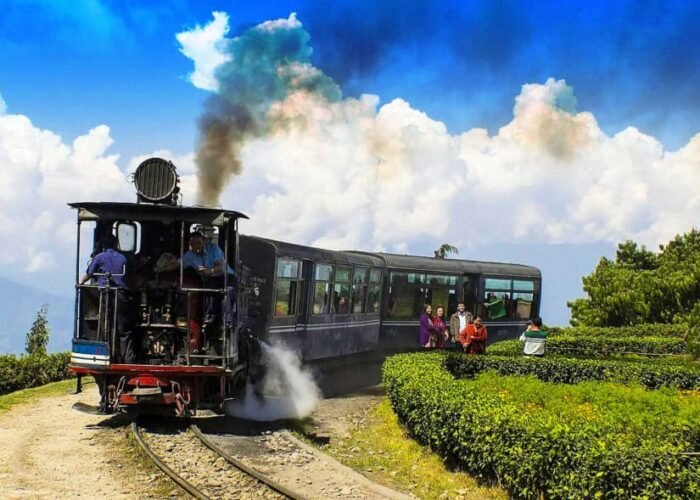
For tea, March to May shows you the prized first flush being plucked, while the autumn flush runs October to November. The Darjeeling Himalayan Railway, the UNESCO-listed toy train, runs year round, but joyrides are far more pleasant on a dry, clear day, which again points to spring and autumn. A steam joyride to Ghum runs around Rs 1,500, with the diesel service cheaper (to confirm), and seats sell out fast through October, so book ahead. Monsoon can disrupt services when the track is affected (to confirm on your dates).
Go in November or, if you want blooms, April. You get clear skies for those Tiger Hill sunrises, mild days for slow walks through the tea gardens, and long, quiet evenings once the day crowds thin. Winter works too if you both like the cold and want the town almost to yourselves, mist, warm tea and all.
April to June suits families best, when the weather is gentle for children and older parents and the days are long for sightseeing. It lines up with school holidays, so expect crowds and higher rates, and book early. If you can travel off-peak, late September and November give you the same easy weather with fewer people.
October to December and March to May are the safest and most rewarding, with stable weather, reliable transport and a good mix of company and calm. Autumn puts you among fellow travellers on the treks and viewpoints; late winter and early spring give you more room to yourself.
Two things spike hotel tariffs and crowds in Darjeeling: the summer school holidays through May and early June, and the Durga Puja and Dashain festival weeks in late September and October. During those windows, rooms fill weeks ahead and a mid-range room that sits near Rs 1,500 to 2,500 a night off-season can double or more (to confirm). If your dates are flexible, aim for the first half of November or the back end of a festival month, and you get the same clear weather at a calmer price.
A few practical calls we make for guests. Book two to three months ahead for any October or long-weekend trip. Keep a day of buffer in the monsoon in case the road closes. Carry a warm layer even in summer, because Darjeeling evenings cool down fast at 2,000-odd metres. Indian travellers need no permit for Darjeeling town itself, though the Singalila National Park route to Sandakphu carries an entry fee and a compulsory guide (to confirm). And do not build your whole trip around snow: it is rare in town and never a certainty.
We are a Sikkim-based team who run this whole circuit and are well aware of how to plan your tour. Darjeeling sits right across our border and we cross into it constantly, so we know which homestay catches the morning sun on Kanchenjunga and when the Hill Cart Road is likely to be trouble. That local footing is the difference between a smooth trip and a wasted morning. We can line up your Darjeeling days with Gangtok and the rest of Sikkim, sort permits for the protected areas, and time your visit around the views and away from the worst of the crowds. If you tell us what you want, whether that is a first-flush tea walk, a Sandakphu trek or a quiet honeymoon week, we will build the dates around it.
November for most travellers. It is dry, mild, has the clearest mountain views of the year and thinner crowds once the festival rush ends. April is the top pick if you want spring blooms and the first tea flush.
July and August, the peak monsoon. Heavy rain, fog and landslides can block roads and hide the mountains for days. It is the cheapest and greenest time, but a poor bet if you have come for the views.
Snow in Darjeeling town is rare and never guaranteed, usually a light dusting if it happens, most likely late December to January. Higher spots like Sandakphu see snow far more often (to confirm for your travel dates).
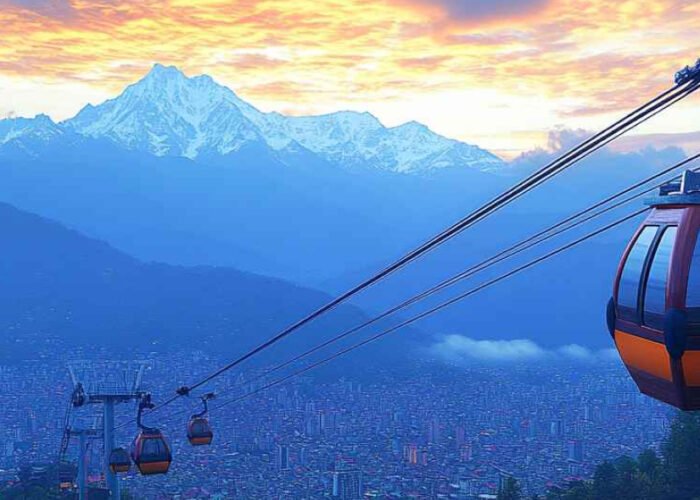
October and November give the clearest, most reliable views, with March and April a close second. Head to Tiger Hill before dawn for the sunrise over the peaks.
Yes, if you do not mind the cold. December to February brings clear skies, snow-capped peaks in the distance, low crowds and lower rates. Days are around 3C to 12C and nights drop near freezing, so pack heavy woollens.
Three to four days covers the town and main viewpoints comfortably. Add two to three more if you want to include Gangtok or a Sandakphu trek.
Yes, the Darjeeling Himalayan Railway operates year round, but joyrides are most enjoyable on dry, clear days in spring and autumn. Monsoon weather can disrupt services when the track is affected (to confirm on your dates).
An experienced Sikkim tour operator, with a team of an experienced travel enthusiast ensure to give our clients well-designed Sikkim Gangtok tour packages.
Sikkim Tourism has received numerous accolades from its happy customers for its excellent services and best Sikkim holidays.
We have local office in Sikkim for our customers to find assistance anytime and anywhere.
Do not hesitage to give us a call. We are an expert team and we are happy to talk to you.
+91-9810066496
info@sikkimtourism.org