Summary: The best places to visit in Darjeeling are Tiger Hill for the Kanchenjunga sunrise, Batasia Loop, the UNESCO toy train to Ghum, Ghum Monastery, Chowrasta and Mall Road, Happy Valley Tea Estate, the Padmaja Naidu Zoo with the Mountaineering Institute, the Japanese Peace Pagoda, and the Ropeway. For couples, add Lamahatta and Tinchuley. For families, the zoo, toy train, and Rock Garden are the easy wins. Give yourself two to three days for the town, four or more if you want the day trips.
I drive up to Darjeeling from Siliguri more times a year than I can count, and the town still catches me somewhere past Kurseong, where the air goes cold and the tea bushes crowd the road. Most “places to visit in Darjeeling” lists read the same: a stack of names, a line each, no sense of what your actual day will feel like. This one is different. For every place I tell you what to expect, roughly what it costs, when to go, whether it is worth your time, and what I would quietly skip. I also flag what is open and what is closed right now, because that trips up more visitors than anything else.
If you have limited time, build your days around these. The classics first, then the quieter spots and day trips further down.
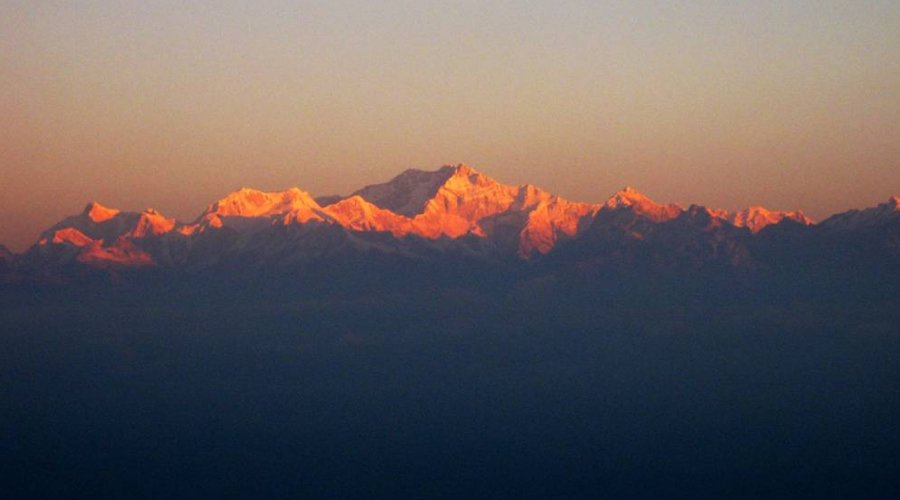
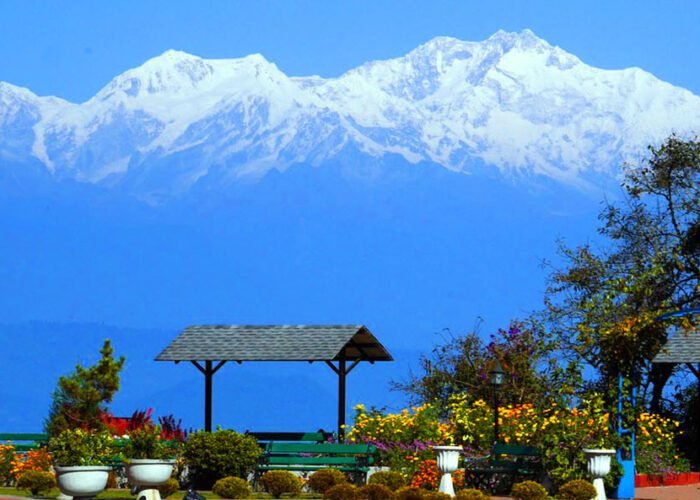
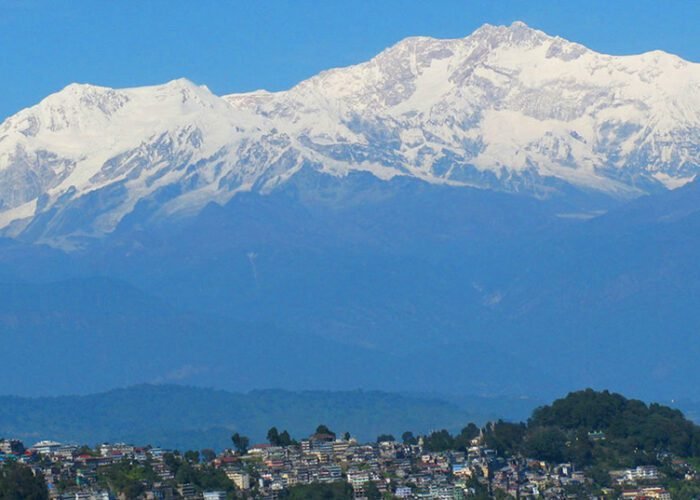
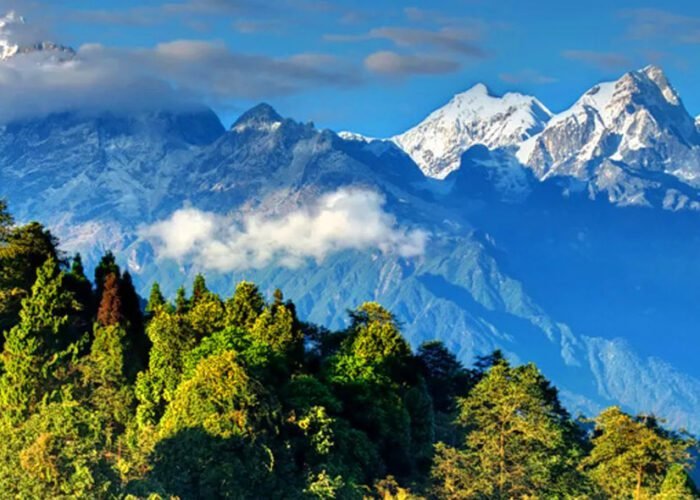
The sunrise everyone comes for is the first light climbing the face of Kanchenjunga, and on a rare, scrubbed-clean morning, the tip of Everest low on the western horizon. On the mornings it works, the whole shivering crowd goes quiet at once. On the mornings it does not, you have set a 3:30 alarm to watch grey cloud do nothing. I have had both in the same week, so keep your expectations loose.
The logistics catch people out more than the weather. You have to arrange your seat the day before, a shared jeep seat or a private car, because self-driven and rental cars are not allowed up and the police cap the daily jeep permits (around 600, to confirm). Most vehicles leave town between 3:30 and 4:30 AM for the 40-to-60-minute crawl uphill, and the last stretch often becomes a walk when the road jams near the top. The vehicle entry fee is ₹200, and a seat in the observatory tower costs ₹20, ₹30, or ₹40 depending on the floor. October to early December gives the cleanest skies and the best odds; in the monsoon I would trade the alarm for the view from Batasia Loop or your own hotel balcony.
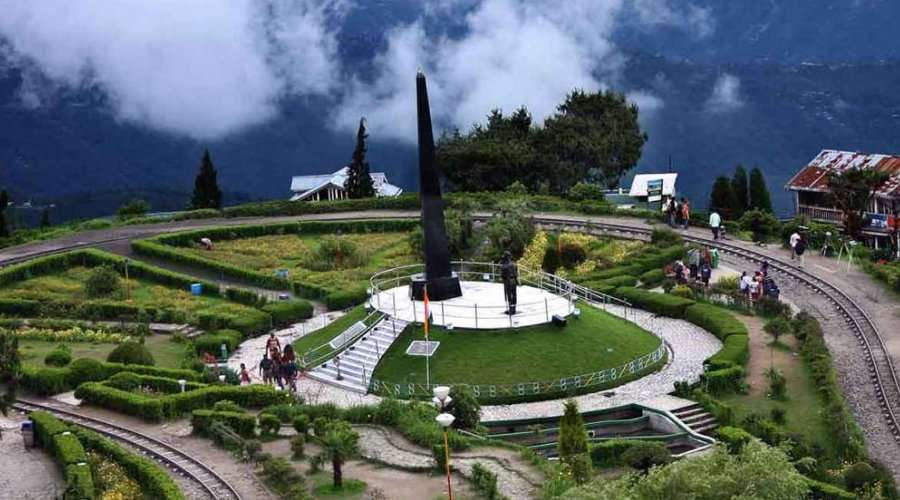
The spot where the toy train curls back on itself in a full spiral to lose height. In the middle sits a manicured garden and a memorial to Gorkha soldiers, with Kanchenjunga filling the sky behind it on a clear day. It is a ten-minute photo stop on the toy train, but I like it better on foot, early, before the tour jeeps arrive. There is a small entry ticket (around ₹15 to ₹20, to confirm). Twenty minutes here is plenty.
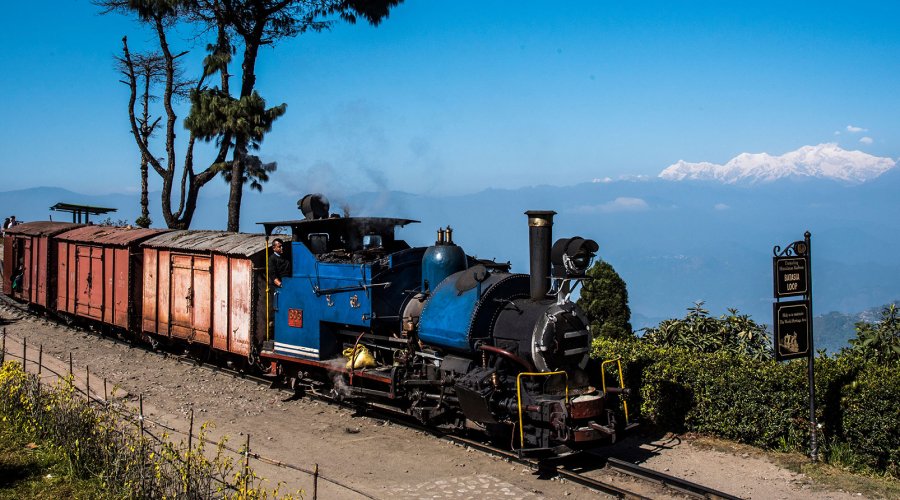
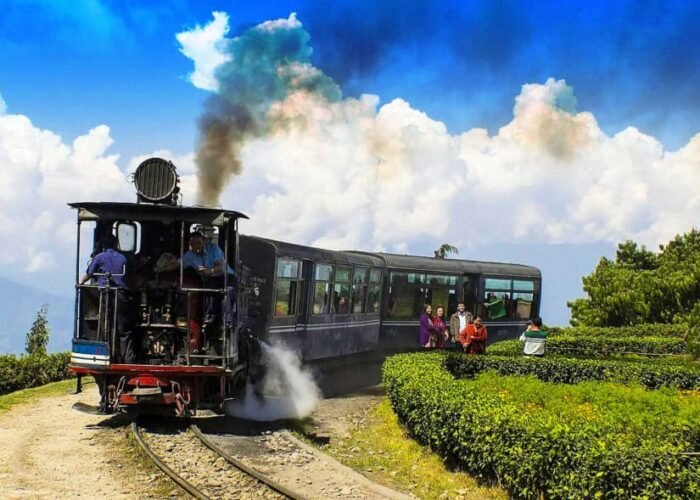
The DHR is a UNESCO World Heritage site, and the joy ride is one of the few Darjeeling attractions that actually earns the hype. The standard tourist trip runs from Darjeeling station to Ghum (also spelt Ghoom), the highest railway station in India, and back, with a photo halt at Batasia Loop and a 25-minute stop at the small railway museum in Ghum (museum entry is included in the ticket). The whole round trip covers about 14 km and takes roughly two hours.
The choice that matters is steam versus diesel. The steam engine is the one people remember, hissing and throwing coal smoke back through the open windows, and yes, you will smell of it for the rest of the morning. The diesel version gives you the same tea-garden and ridge views without the soot, which is the kinder option with young children. Costs in 2026 run roughly ₹1,300 to ₹1,500 for steam and ₹800 to ₹1,000 for diesel (to confirm, as fares revise). Rides start early, around 7:40 AM, with the last departure in the late afternoon. Book ahead through IRCTC or a reservation counter, because in summer and around Durga Puja these sell out days in advance.
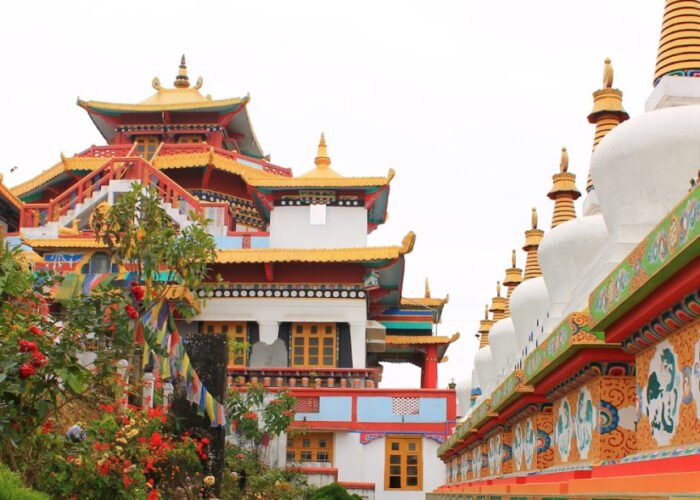
A five-minute walk from Ghum station brings you to the oldest Tibetan monastery in the area, dim and close inside, the air thick with butter lamps and old incense, a 15-foot seated Maitreya Buddha filling the far wall in gold. Slip your shoes off, keep your voice down, and if a monk is going through the morning chant you will feel the low drone in your chest more than your ears. Fifteen minutes is enough, and it sits naturally on either the toy train stop or the drive back from Tiger Hill. No ticket, though a small donation in the box by the door is customary.
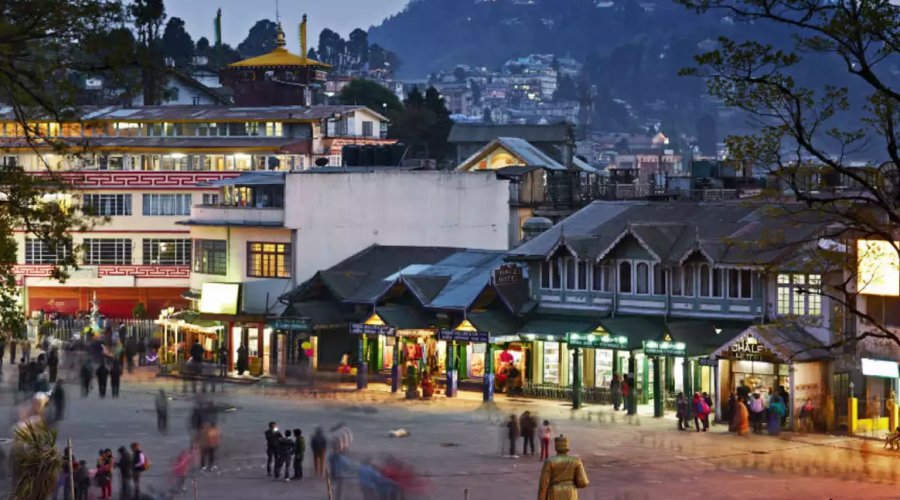
Chowrasta is the flat open square at the top of the Mall, ringed with benches, a bandstand, ponies for hire, and the old Oxford Book and Stationery shop selling paperbacks and Himalaya maps. Skip the tick-box mindset and just sit: order a pot of tea, watch the local grandparents do their evening loop, and follow the flat path curling toward Mahakal for town-and-mountain views without a step of climbing. It costs nothing and it is the hour of my Darjeeling day I would give up last, best at early morning or the golden half-hour before sunset. The pony rides for children are fine, but the first quoted rate is never the real one, so haggle first.
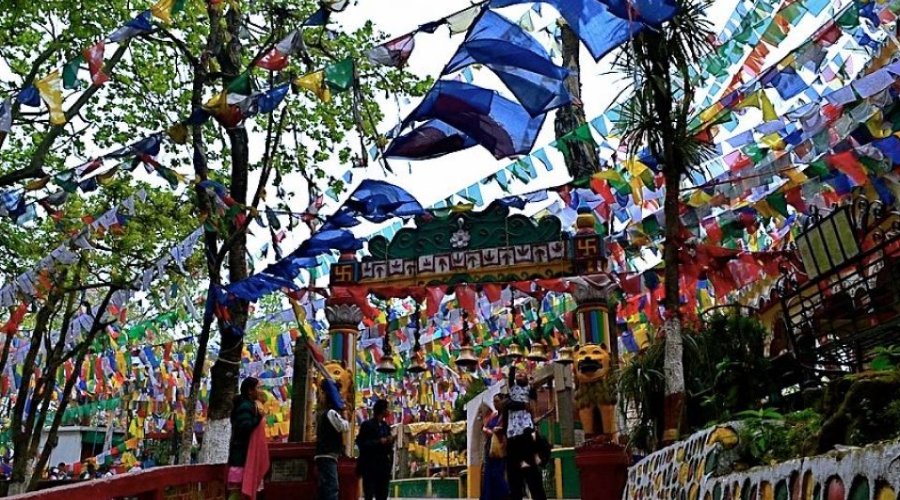
A short climb above Chowrasta brings you to Observatory Hill, sacred to both Hindus and Buddhists, with prayer flags, bells, and the Mahakal temple at the top. Cheeky monkeys work the crowd here, so keep snacks and phones tucked away. Ten to twenty minutes, easy to combine with a Mall Road stroll, and the ridge views on a clear day are excellent.
Darjeeling’s name travels the world on the back of its tea, and Happy Valley is the working garden closest to town, either a short ride or a calf-burning walk down the hillside below the Mall. A garden hand walks you through the shed while the leaf is withering on the troughs, then past the rolling and drying, and the room smells green and vegetal, nothing like the packet in your kitchen. Time it to the processing season, March to May for the delicate first flush and June onward for the stronger second flush; in winter the machinery sits idle. A guided tour with a tasting runs a few hundred rupees. One warning: skip the roadside stalls that wave free samples then push overpriced vacuum packs, and buy from the estate shop or from Nathmull’s on Laden La Road instead.
These two share one gate and one ticket, and together they are a genuine half-day. The Padmaja Naidu Himalayan Zoological Park is a serious conservation centre where you can reliably see red pandas, snow leopards, and Himalayan wolves, not a sad little hill zoo. Next door, the Himalayan Mountaineering Institute holds Tenzing Norgay’s gear and a moving record of Everest expeditions, with his memorial on the same grounds. Important: both are closed on Thursdays, which catches out a lot of visitors, so do not plan this for a Thursday.
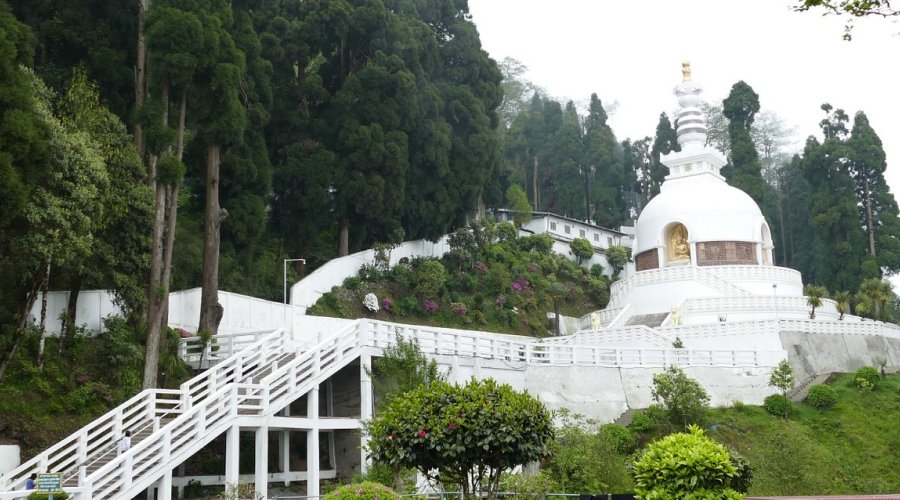
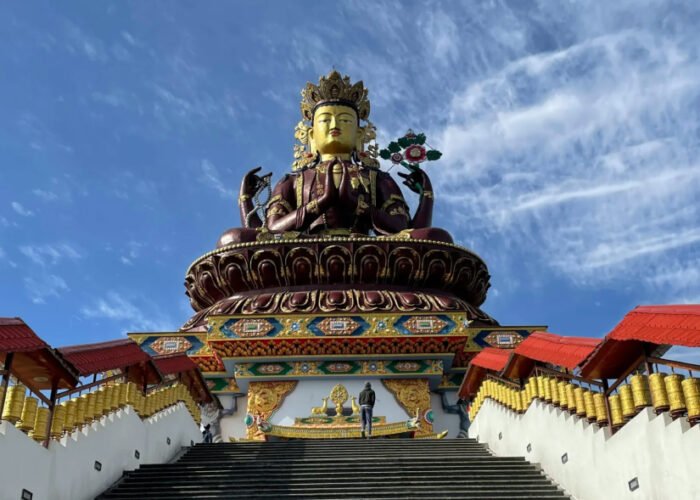
A white Buddhist stupa on the AJC Bose Road ridge, with drumming and chanting in the early morning that you can join. It is calm, rarely crowded, and free. Fifteen to thirty minutes of real quiet, and one of the few places in town that stays peaceful even in peak season.
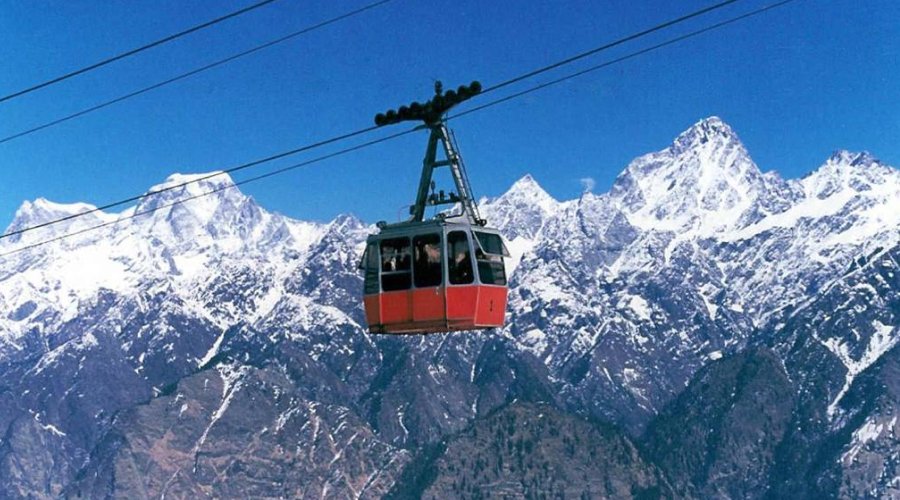
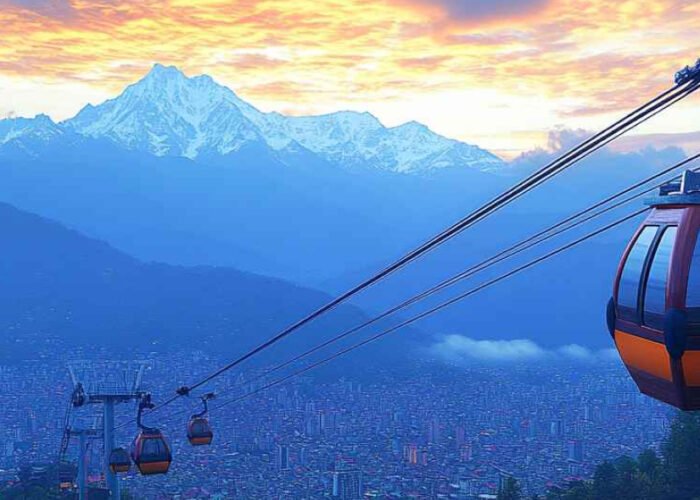
One of India’s oldest passenger ropeways (to confirm), a cable car that drops from Singamari down toward the Rangeet valley over a green fall of tea gardens and forest. The car sways just enough to make first-timers grip the bar, and on a clear day the valley opens up beneath your feet; in fog you are paying to hang inside a cloud, so check the sky before you queue. Timings are usually 10 AM to 4 PM, weather permitting, and tickets are bought at the Singamari counter with no advance booking. One thing most blogs miss: it shuts for maintenance on the 19th of each month, so do not plan it for that date.
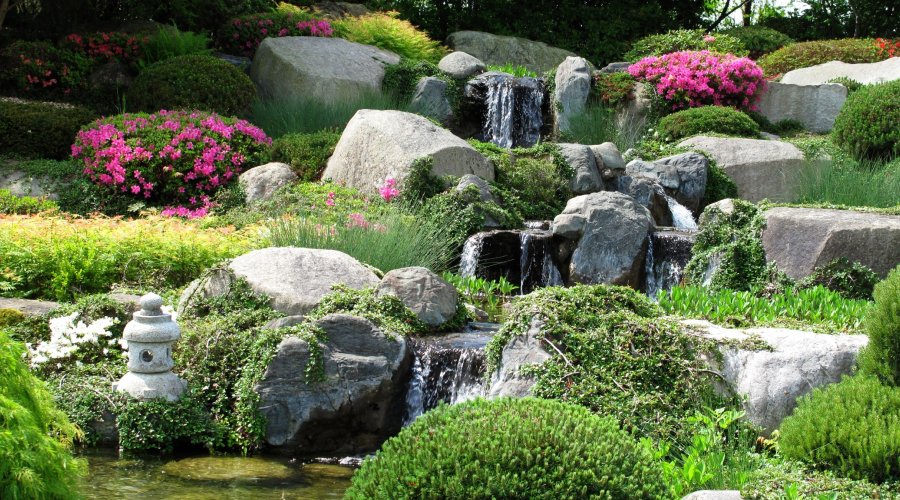
Terraced rock gardens and a stepped waterfall about 10 km below town, with a small boating pond at Ganga Maya further down. It is pretty and children love clambering the terraces, but be honest about the road: a long, tight-cornered descent and a slower grind back up, and on a busy afternoon you can lose an hour to traffic on the way home. Worth a half day if you want an unhurried picnic-style outing, not if you are ticking off viewpoints.
If you are here on a honeymoon or a slow romantic trip, weight your days toward the quiet spots rather than the jeep-crowded ones.
Lamahatta is my top pick, an eco-park village about 23 km out (a little over an hour by car) at roughly 5,700 ft, where a pine and dhupi forest wraps a landscaped garden and homestays serve cardamom tea on the terrace. Tinchuley, a few kilometres on, is orange orchards and organic farms with big Kanchenjunga views and almost no crowd. The Lovers Meet viewpoint, where the Teesta and Rangeet merge in two different colours, is worth the stop on that circuit. In town, sunrise at Tiger Hill and a slow evening on Chowrasta are the simple staples that still work.
Beyond Lamahatta and Tinchuley, two more earn a day. Mirik, about 50 km away, is built around Sumendu Lake, with boating, a pine walk, and orange orchards on the way. Kurseong, on the road up from Siliguri, has quieter tea estates like Makaibari, a lovely stretch of the toy train line, and far fewer tourists than Darjeeling itself.
This is the section most guides skip, and it saves the most disappointment. As of 2026, the toy train joy ride from Darjeeling to Ghum is running as usual. The full New Jalpaiguri to Darjeeling toy train route, however, has been disrupted at times by monsoon landslides, so do not count on the long-haul train up the hill without checking first. In the monsoon (mid-June to mid-September), assume any toy train service can be suspended at short notice after track damage.
The zoo and Mountaineering Institute are closed every Thursday. The Ropeway closes on the 19th of each month and does not run in heavy fog or high wind. Rock Garden and Ganga Maya Park are open, though they have shut after past landslides, so check before the long drive down. Tiger Hill needs a vehicle arranged the previous day. When in doubt, a local operator confirms same-week status faster than any website.
You will not go hungry, and the food is half the fun. Glenary’s on Nehru Road is the institution, a century-old bakery downstairs with a proper restaurant above and a pub below, and the cinnamon rolls with a pot of Darjeeling tea are a fine way to start a morning. Keventer’s, going since 1911, is the classic rooftop breakfast, with big English platters of sausage, ham, and eggs and a Kanchenjunga view if the day is clear. For Tibetan food, Kunga on Gandhi Road does honest thukpa and momos in a cosy wood-panelled room, and it is where I go when the weather turns. Nathmull’s on Laden La Road is really a tea merchant, but it is the place to taste and buy leaf from people who actually know it. For quick, cheap momos, the small joints around Chowrasta and the Mall do the job without ceremony.
Spring (March to May) is my favourite, with clear skies, blooming rhododendrons, and the tea gardens in first-flush mode. Autumn (October to early December) gives the crispest views and the best odds on the peaks; the monsoon trades the Himalaya for cloud and landslide risk. Two things people forget: carry a warm layer even in summer, because the mornings and high viewpoints stay cold, and keep some cash on you, as card machines are patchy off the main road.
Darjeeling shares a border and a weather system with our home state, and we work this hill road all year, so we are not guessing at it from a screen in another city. On a route where the toy train can be pulled overnight after a landslide and the Ropeway closes on a date most itineraries ignore, that on-ground knowledge is the difference between a smooth trip and a wasted morning. We can tell you whether the Happy Valley factory is running the week you arrive, get you a joy ride seat when the counter says sold out, line up a Tiger Hill jeep before the permits run dry, and sort the Singalila or onward Sikkim permits without you losing a day to queues. Tell the Sikkimtourism.org team how you like to travel, slow and scenic or packed and efficient, and we will shape the trip around what is actually open that week.
Tiger Hill, for the sunrise over Kanchenjunga, is the signature experience, best from October to December. On a cloudy morning, Batasia Loop is a gentler substitute for the same light.
Two full days is enough for the headline places: the sunrise, the toy train, a tea garden, the zoo, and the town centre. Add a third and fourth day if you want to breathe between them and fit the Ropeway, the monasteries, or a run out to Lamahatta or Mirik.
Mid-March to May and October to early December are the reliable windows, with clearer air and the strongest odds of the Kanchenjunga view. July and August are peak monsoon, when fog swallows the peaks and landslides can shut roads and the toy train.
Yes, the Darjeeling to Ghum joy ride is operating. The full New Jalpaiguri to Darjeeling route can be suspended after monsoon landslides, so check before relying on the long train up the hill.
Lamahatta and Tinchuley for quiet forest and orange orchards, the Lovers Meet viewpoint, sunrise at Tiger Hill, and a slow evening on Chowrasta.
Not for the town itself. You do need permits for restricted areas like Singalila National Park (the Sandakphu trek) and for parts of neighbouring Sikkim (to confirm current rules).
The zoo and Mountaineering Institute close on Thursdays, and the Ropeway closes on the 19th of each month for maintenance.
Darjeeling is the pick for tea gardens, the toy train, and colonial-era hill charm; Gangtok suits high-mountain drives, monasteries, and permit-zone Sikkim. Many travellers do both, since they are roughly four to five hours apart.
Stay near Chowrasta and the Mall for the walkable core, sunset ridge, cafes, and easy jeep pickups. It saves you the steep daily climb up from lower, cheaper hotels near the motor stand.
The town centre, toy train, zoo, and tea estate are all doable on foot or by shared jeep. For Tiger Hill and the day trips to Lamahatta or Mirik you will still need a booked vehicle or a shared jeep seat.
An experienced Sikkim tour operator, with a team of an experienced travel enthusiast ensure to give our clients well-designed Sikkim Gangtok tour packages.
Sikkim Tourism has received numerous accolades from its happy customers for its excellent services and best Sikkim holidays.
We have local office in Sikkim for our customers to find assistance anytime and anywhere.
Do not hesitage to give us a call. We are an expert team and we are happy to talk to you.
+91-9810066496
info@sikkimtourism.org