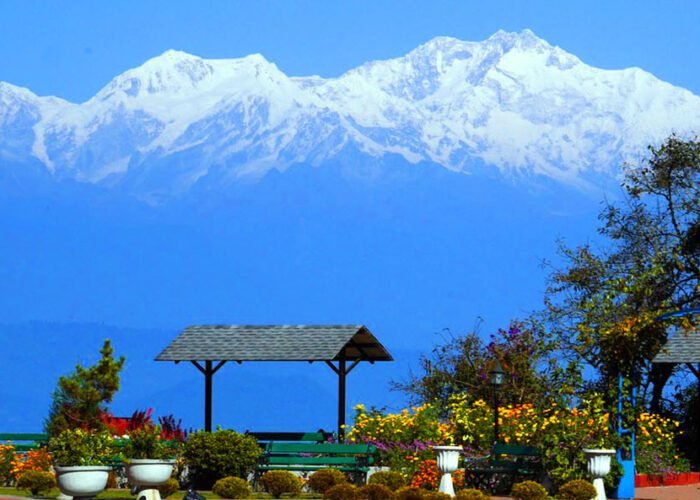
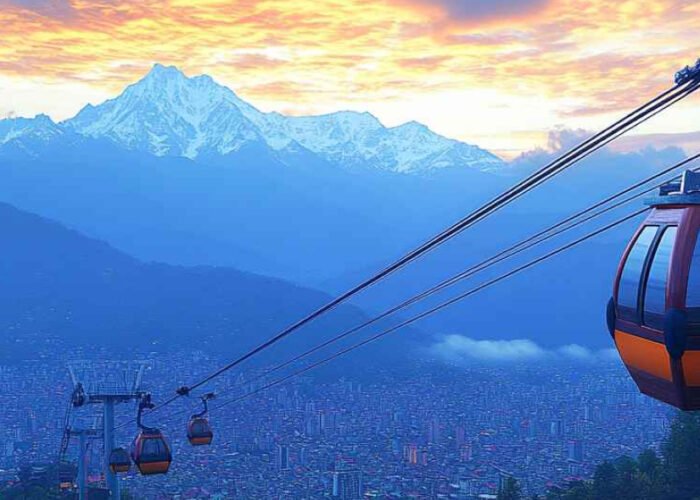
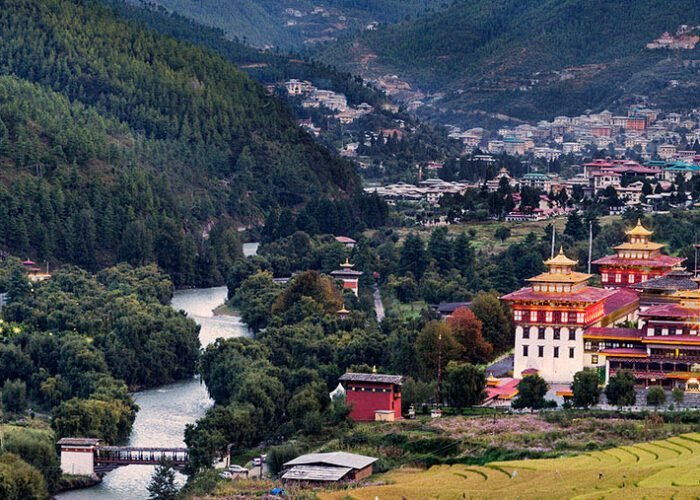
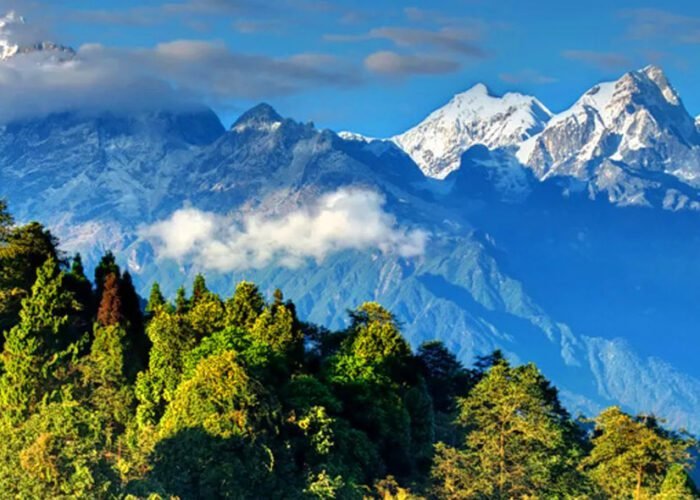
Overview: The best time to visit Pelling is from October to late November and again from March to May, when the skies stay clean and Mount Kanchenjunga shows up without a curtain of cloud in front of it. That is the short answer. But Pelling rewards different travellers in different months, so the real question is what you want out of the trip. Some people come for snow. Some come for rhododendrons. Some just want a quiet balcony and a coffee while the third highest peak on earth turns gold at sunrise.
This small town sits at around 2,150 metres in West Sikkim, and the weather here swings more than most people expect. Get the timing right and you will remember the view for years. Get it wrong and you may stare at grey mist for three days. Here is how each season actually feels on the ground, with temperatures, crowd levels, and honest advice on what to skip.
Short on time? This table sums up the year. Temperatures show an approximate low to high across a typical day and night, and they shift with altitude and the exact spot you stand in, so treat them as a guide, not a promise.
| Season | Months | Approx. day/night range* | What you get |
| Spring | March to May | 5°C to 24°C | Rhododendrons in bloom, clear Kanchenjunga views |
| Monsoon | June to Sept | 15°C to 25°C | Heavy rain, mist, green valleys, landslide risk |
| Autumn | Oct to Nov | 8°C to 20°C | Cleanest skies, sharpest mountain views |
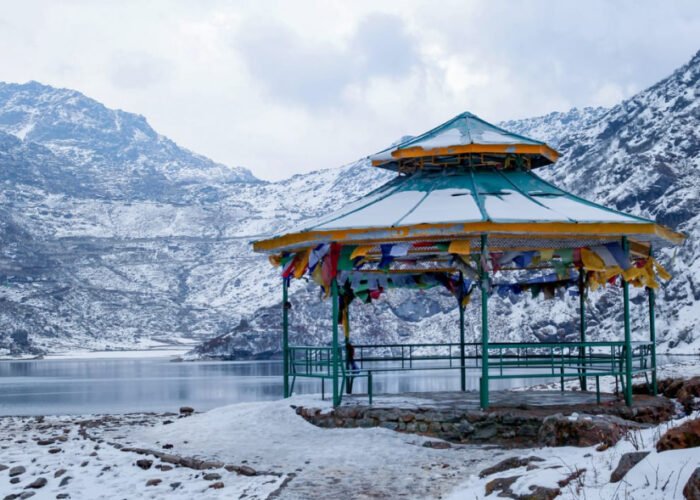
| Winter | Dec to Feb | -1°C to 12°C | Frosty nights, occasional snow, quiet town |
*Approximate low to high range across a typical day and night, as of August 2026, from public climate averages for Pelling. Actual figures shift with altitude and the exact spot.
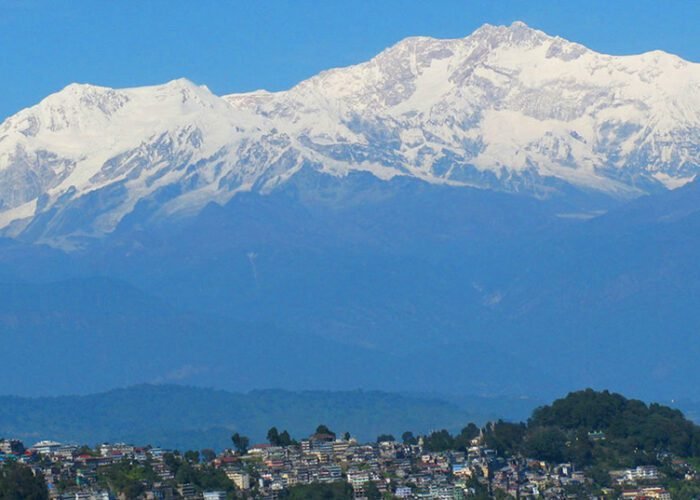
For the sharpest mountain views and the most reliable weather, aim for October and November. The monsoon has cleared the dust out of the air, the valleys are still green, and the Kanchenjunga range looks close enough to touch from the Pelling helipad viewpoint. Spring, from March to May, is the second sweet spot, with warmer days and rhododendrons colouring the trails near Khecheopalri and Yuksom.
If your goal is snow and you do not mind the cold, plan for late December to early February. If your goal is budget and green scenery, and you can handle rain, the monsoon months bring the lowest prices of the year. Each season asks you to give up something in return, and the rest of this guide lays out exactly what.
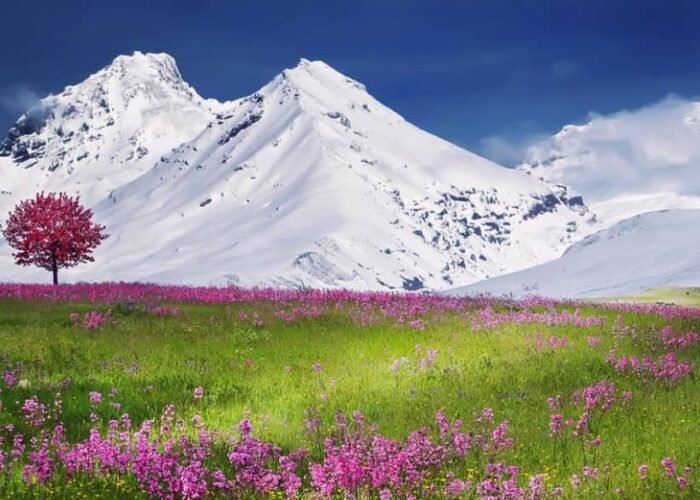
Spring is the friendliest season for first timers. Daytime temperatures sit roughly between 10°C and 24°C, the air is soft, and you rarely need more than a light jacket after 10 in the morning. Mornings still carry a chill, so nights can drop to around 5°C to 8°C in March. This is when the rhododendrons and magnolias open up across West Sikkim, and the drive toward Yuksom turns into a slow parade of colour.
One catch worth knowing. By late April and May, afternoon haze can roll in and soften the mountain views, so do your Kanchenjunga watching at sunrise. May is also when domestic school holidays begin, so hotels in Upper Pelling fill up and rates climb. Book early if you are travelling then.
The monsoon splits opinion. Rain arrives by mid-June and stays heavy through August, with the whole town wrapped in moving mist. Temperatures stay mild, around 15°C to 25°C, but the real story is water. Waterfalls like Rimbi and Kanchenjunga Falls run at full force, and the rice terraces glow an almost unreal green.
The downside is real. West Sikkim roads are prone to landslides in July and August, and a blocked road near Jorethang or Legship can cost you half a day. You will also see very little of Kanchenjunga. If mountain views are the whole point of your trip, this is the wrong window. If you want solitude and a soft price, it can be lovely.
On price, the gap is real money. A mid-range double that sits near roughly Rs 2,000 to 3,000 a night in the monsoon can climb to Rs 4,500 to 6,000 over the October peak, and the best rooms sell out weeks ahead. So, the monsoon buys you the cheapest beds of the year, as long as you can live with the rain.
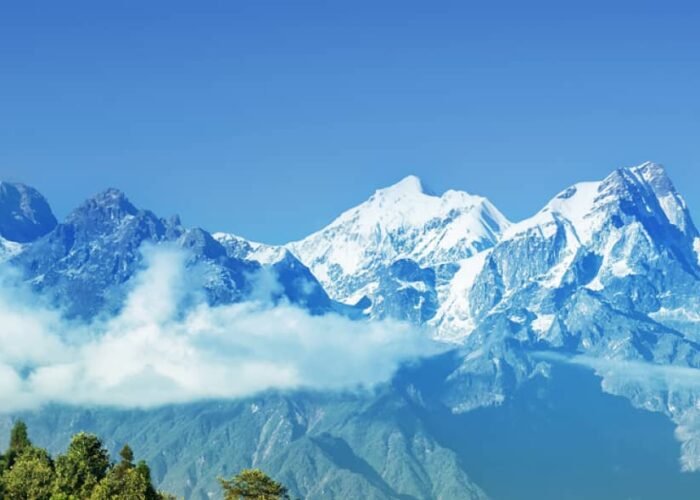
If you only remember one line from this guide, remember this: autumn gives you the best mountain views in Pelling, full stop. The rain has washed the sky clean, humidity drops, and the Kanchenjunga massif stands out crisp from sunrise well into the morning. Daytime temperatures are pleasant, around 8°C to 20°C, cooling quickly once the sun dips behind the ridge.
This is peak season, so expect company. October weekends and the Durga Puja break bring the biggest crowds and the highest room rates of the year. Weekdays are calmer. If you can travel mid-week in early November, you get the same flawless views with a fraction of the crowd.
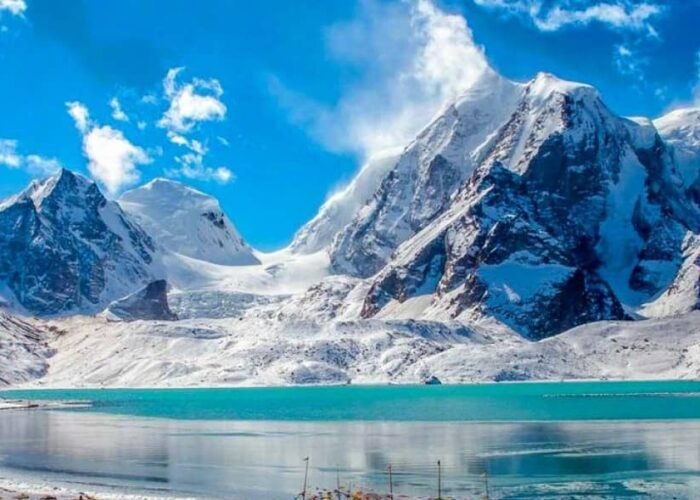
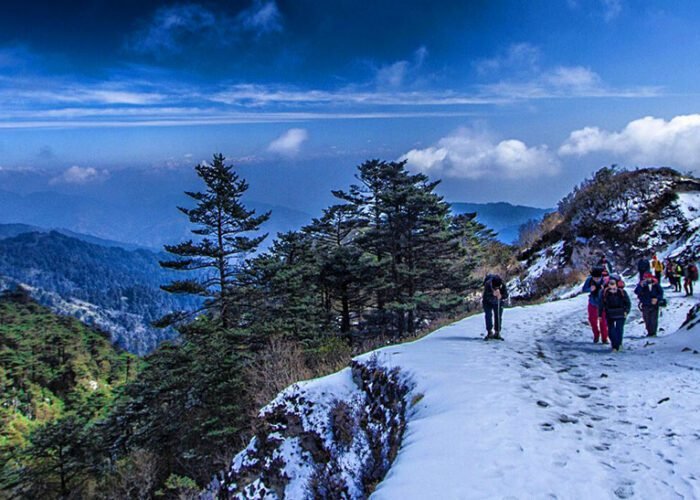
Winter turns Pelling quiet and cold. Daytime highs hover around 6°C to 12°C, and nights regularly fall to near freezing, sometimes below zero in January. Snowfall is not guaranteed in the town itself, but a good cold spell can dust the rooftops and the higher trails white, and the higher points around Sanga Choeling see it more often. The reward is stillness. Fewer tourists, sharp blue skies on clear days, and Kanchenjunga looking its most dramatic against the frost.
Pack for real cold: thermals, a heavy jacket, gloves, and a woollen cap. Many budget guesthouses do not have central heating, so check for a room heater before you book. A few high roads and viewpoints can close briefly after heavy snow, so keep your plan flexible and start drives early while the light holds.
Still deciding? Here is the quick read on each stretch of the year, answering the question people ask most often.
Timing your trip with a local festival adds a layer that a plain sightseeing run cannot. West Sikkim keeps its Buddhist and Nepali traditions alive, and a few dates are worth planning around.
Festival dates shift with the lunar calendar every year, so confirm the exact day before you lock in flights.
Pelling has no airport or railway of its own, so most travellers arrive by road from the plains. The nearest airport is Bagdogra, and the nearest major railhead is New Jalpaiguri (NJP), both near Siliguri.
Timing matters here. In the dry months your drive runs smooth. During July and August, factor in possible landslide delays and start early. Indian travellers do not need a special permit for Pelling itself. Foreign nationals need an Inner Line Permit to enter Sikkim, easy to arrange but worth sorting before you travel.
Which month has the best Kanchenjunga view?
November, when post monsoon skies are at their clearest and the peak stays visible from sunrise into the morning.
Is Pelling worth visiting in the monsoon?
Only for green scenery and low prices. The peaks stay hidden and roads can block, so skip it if views are your priority.
Does it snow in Pelling in December and January?
Sometimes, during a cold spell, though it is not guaranteed in the town itself. Higher points nearby see it more reliably.
What is the cheapest time to visit Pelling?
The monsoon months, June to September, when a mid-range double can sit near roughly Rs 2,000 to 3,000 a night (indicative, 2026).
When is the best time for a Pelling honeymoon?
Late October to November and March to April, for clear views, mild weather, and a romantic mountain backdrop.
How many days are enough for Pelling?
Two nights covers the main viewpoints, monasteries, and waterfalls without rushing. Add a day for Khecheopalri Lake.
Is Pelling or Gangtok better in winter?
Pelling is quieter with sharper mountain views and snow calm. Gangtok wins for shopping, nightlife, and indoor options.
What should you pack for each season?
Light layers and a jacket in spring and autumn, a rain shell in monsoon, and thermals, gloves, and a heavy jacket in winter.
An experienced Sikkim tour operator, with a team of an experienced travel enthusiast ensure to give our clients well-designed Sikkim Gangtok tour packages.
Sikkim Tourism has received numerous accolades from its happy customers for its excellent services and best Sikkim holidays.
We have local office in Sikkim for our customers to find assistance anytime and anywhere.
Do not hesitage to give us a call. We are an expert team and we are happy to talk to you.
+91-9810066496
info@sikkimtourism.org