info@sikkimtourism.org| 0 98110 66496 / 0 98100 66496
Price
From74,999
Save To Wish List

Adding item to wishlist requires an account

2

Get Instant Support


    Why Book With Us?

    • No-hassle best price guarantee
    • Customer care available 24/7
    • Hand-picked Tours & Activities
    • Free Travel Insureance

    Get a Question?

    Do not hesitage to give us a call. We are an expert team and we are happy to talk to you.

    09810066496 | 09811066496

    info@sikkimtourism.org

    9 Nights / 10 Days
    10 Days / 09 Nights

    Bhutan Itinerary for 10 Days

    Rs. 74,999/-

    • Pickup: Airport
    • Private Vehicle
    • Sightseeing
    • Breakfast & Dinner
    • 9 Nights Hotel
    • Permits & Taxes

    Overview

    Ten days is the trip that finally lets you leave western Bhutan and reach the central valleys most tourists never see. This Bhutan itinerary for 10 days runs Paro, Thimphu and Punakha, then crosses east to Phobjikha, Trongsa and Bumthang, and flies back to Paro for the Tiger’s Nest hike. Indian nationals need only an entry permit and a passport or Voter ID.

    Ten days is the sweet spot for Bhutan. It is long enough to cross from the western valleys into the central heartland, and slow enough that the drives stop feeling like a chore. This route runs Paro to Thimphu to Punakha, then east over the mountains to Phobjikha, Trongsa and Bumthang, before flying back to Paro for the Tiger’s Nest hike on the final leg.

    You get the capital’s landmarks, the warm river valley of Punakha, the glacial bowl of Phobjikha where the black-necked cranes winter, and the temple-dotted valleys of Bumthang that short trips never reach. The plan assumes nine nights and one internal flight, which saves you a punishing two-day drive back west. It suits travellers who want depth over a highlights sprint and don’t mind long mountain roads in exchange for the quieter, more spiritual side of the country. We have paced it with two nights each in Thimphu, Punakha and Bumthang, so you settle in rather than pack and unpack every single morning.

    Tour Highlights

    • Land at Paro (2,200 m), one of the world’s most demanding airport approaches, ringed by high peaks
    • Buddha Dordenma, the 51.5-metre gilded statue looking down over the whole Thimphu valley
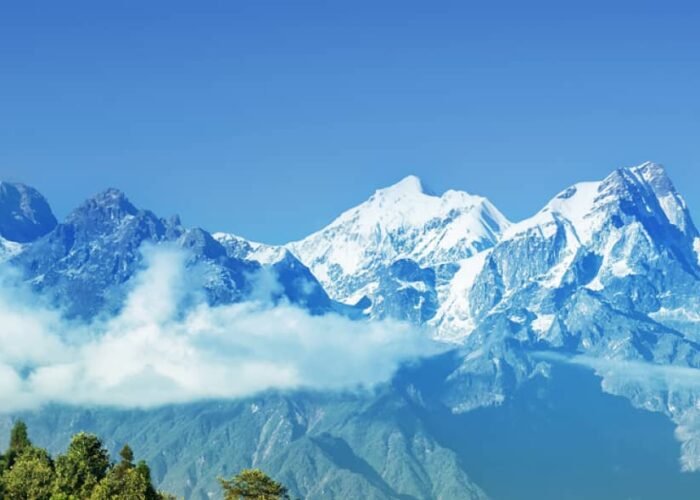
    • Dochula Pass at around 3,100 metres, with its 108 chortens and, on a clear winter morning, the eastern Himalaya on the skyline
    • Punakha Dzong at the meeting of the Pho Chhu and Mo Chhu rivers, arguably the most beautiful dzong in the country
    • The uphill walk to Khamsum Yulley Namgyal Chorten and, if the water is up, a float down the Mo Chhu
    • Phobjikha (Gangtey), the wide glacial valley where black-necked cranes roost from late October to February
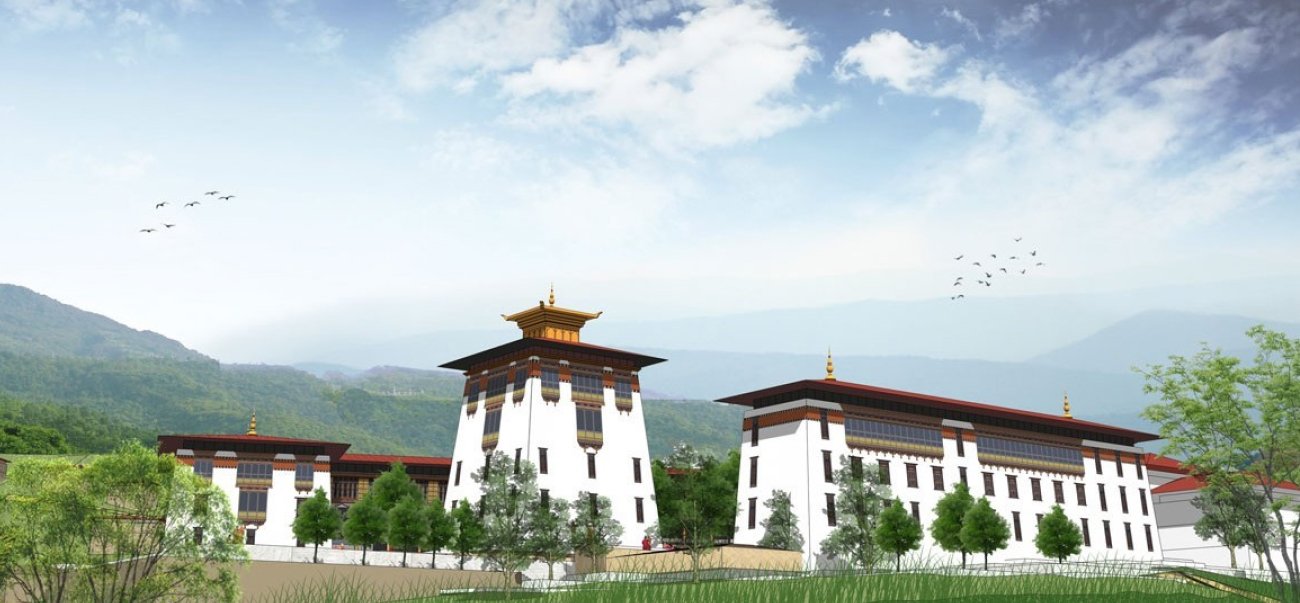
    • Trongsa Dzong, the long rambling fortress that controls the road between east and west
    • The temple valleys of Bumthang: Jambay Lhakhang, Kurjey Lhakhang, Jakar Dzong and the sacred Membartsho (the “burning lake”)
    • A domestic flight from Bumthang back to Paro, over the Himalaya rather than around it
    • The Tiger’s Nest (Taktsang) hike, a 9.7 km round trip clinging to a cliff at about 3,120 metres

    Who This Itinerary Is For

    This 10-day Bhutan itinerary suits travellers who want to go beyond the western circuit and actually reach central Bhutan, with the time and patience for long mountain drives to get there. It works well for couples, culturally curious first-timers who have a spare week and a half, photographers chasing the cranes at Phobjikha, and anyone who would rather understand a place than tick it off. Reasonable fitness helps for one big hike, but nothing here is a trek.

    It is less ideal if you get carsick easily, if your leave is short, or if you only want the greatest hits. For a tighter trip, our Bhutan itinerary for 4 days or a 6-day western loop covers Paro, Thimphu and Punakha without the eastern driving. Families with very young children may find Day 6 long; if that is you, tell us and we will resequence with an extra night to break the drive.

    Itinerary

    Day 1Arrive Paro, drive to Thimphu (65 km, about 1.5 hours)

    Land at Paro International Airport (2,200 m). The approach is genuinely something: only a small pool of pilots are certified to fly it, and the plane banks between hillsides before it drops onto the runway. Clear immigration and your entry permit formalities, meet your driver, and head to Thimphu along the Wang Chhu river. Ease into the altitude on the first evening rather than rushing. Overnight in Thimphu.

    Day 2Thimphu sightseeing

    A full day in the capital. Start with Buddha Dordenma at Kuensel Phodrang, then the National Memorial Chorten, where locals circle the stupa all day. Add the Folk Heritage Museum, the takin preserve (the takin is Bhutan’s odd national animal, and it looks like a committee designed it), and the school of the thirteen traditional arts if it is open. Finish at Tashichho Dzong, which opens to visitors in the evening once government offices close. Overnight in Thimphu.

    Tip: Thimphu has no traffic lights, only a white-gloved policeman directing cars at the main junction. Go and watch him. It is oddly the most photographed thing in town.

    Day 3Thimphu to Punakha via Dochula Pass (77 km, about 3 hours)

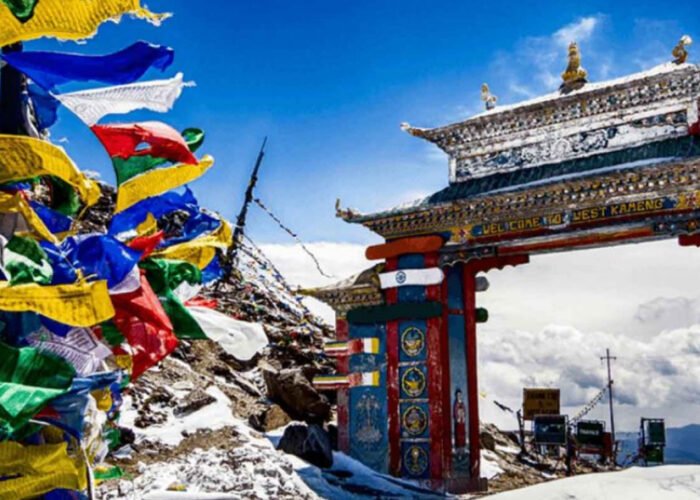
    The road climbs to Dochula Pass (around 3,100 m), marked by 108 chortens built on a rise. On a clear morning between October and February you can see the eastern Himalaya from here. On a cloudy afternoon you’ll see fog. That is the single strongest reason to leave Thimphu early.

    Descend into the Punakha valley, which sits low at about 1,200 m and feels warm and green after the passes. On the way, take the easy walk through paddy fields to Chimi Lhakhang, the fertility temple above Sopsokha village. Overnight in Punakha.

    Day 4Punakha valley in full

    The day the itinerary slows down. See Punakha Dzong at the river confluence, where lilac jacaranda drapes the whitewashed walls in late spring. Cross the long suspension bridge over the Pho Chhu. In the afternoon, walk up through rice terraces to Khamsum Yulley Namgyal Chorten for the valley view, about a 45-minute climb each way. If the river is running high (roughly March to May, and again post-monsoon), a gentle Mo Chhu rafting float is worth adding. Overnight in Punakha.

    Day 5Punakha to Phobjikha / Gangtey (78 km, about 3 hours)

    Drive up into the Phobjikha valley, a broad glacial bowl at around 2,900 m and one of the quietest places in Bhutan. Visit Gangtey Goemba, the big monastery on the ridge, and the Black-Necked Crane Information Centre. Walk at least part of the Gangtey Nature Trail, an easy downhill loop through the valley floor. If you come between late October and February, this is where the cranes are. Nights here are cold and there is little heating, so pack layers. Overnight in Gangtey.

    Day 6Gangtey to Bumthang via Trongsa (about 200 km, 7 to 8 hours)

    The big driving day, and we won’t pretend otherwise. You cross the Pele La pass, pass the lonely Chendebji Chorten, and reach Trongsa by lunch. Stop at Trongsa Dzong, the largest fortress in the country, strung along a ridge above a gorge, and the Ta Dzong watchtower museum above it. Then climb over Yotong La into the Bumthang region, arriving in Jakar by evening. Break it up, take the photo stops, and accept that today is about the road itself. Overnight in Bumthang (Jakar).

    Day 7Bumthang temple valleys

    This is why you came all this way. Bumthang holds some of the oldest and most sacred sites in Bhutan. See Jambay Lhakhang, said to be one of 108 temples built in a single day in the 7th century, Kurjey Lhakhang where Guru Rinpoche left a body imprint in rock, and Tamshing Lhakhang with its old wall paintings. Drive out to Membartsho, the “burning lake” gorge where a treasure-revealer is said to have dived in holding a butter lamp that stayed lit. End at Jakar Dzong. Try the local buckwheat pancakes and the Bumthang cheese. Overnight in Bumthang.

    Day 8Bumthang at your own pace, or Tang valley

    A softer day after the long drive. Option one is to slow down in Jakar: the Swiss-founded Red Panda brewery and cheese farm, the weekend-style handicraft stalls, and a short walk along the Chamkhar Chhu. Option two, if you want more, is a half-day out to the remote Tang valley and the Ogyen Choling museum, a restored noble house that shows how a Bhutanese family actually lived. Overnight in Bumthang.

    Day 9Fly Bumthang to Paro, Tiger’s Nest hike (9.7 km return)

    Take the morning domestic flight from Bumthang (Bathpalathang) to Paro, roughly 30 minutes over the mountains instead of two days on the road. Important: these central flights do not run every day and the schedule shifts by season, so we build your dates around the flight, not the other way around. If it isn’t operating on your dates, the alternative is an overnight drive back via Punakha or Trongsa, which changes the plan below.

    Reach Paro by late morning and, if you’re up for it, do the Tiger’s Nest (Taktsang) hike the same afternoon; otherwise save it for Day 10 morning. The trail is 9.7 km return and takes most people four to six hours with photo stops and a break at the halfway cafeteria, climbing to about 3,120 m. A horse can be hired up to the cafeteria viewpoint but not to the monastery, and never on the descent. Overnight in Paro.

    Day 10Paro sightseeing and departure

    If you saved Taktsang for this morning, do it early. Otherwise, see Rinpung Dzong and Kyichu Lhakhang, one of the oldest temples in Bhutan and said to date to the 7th century. The round Ta Dzong above the fort holds the National Museum and is worth an hour if open. Wander Paro town, buy last handicrafts, then transfer to the airport.

    Big pacing warning: only leave the Tiger’s Nest hike for departure day if your flight is in the late afternoon or evening. With a morning flight, do the hike on Day 9 without fail.

    Photos
    Inclusions / Exclusions

    Included

    • Bhutan entry permit and route permit processing
    • 9 nights’ hotel accommodation (twin sharing)
    • Bumthang to Paro domestic flight
    • Daily breakfast and dinner
    • Private vehicle with driver for all transfers and sightseeing
    • English-speaking licensed Bhutanese guide
    • All road tolls and driver allowances
    • Applicable taxes on our services
    • Entry fee to museums/monuments

    Excluded

    • Airfare or overland travel to Paro / Phuentsholing
    • Sustainable Development Fee (SDF), unless stated in your quote
    • Foreign-national visa fee (USD 40)
    • Lunches and personal meals
    • Mo Chhu rafting and other optional activities
    • Tiger’s Nest horse hire and personal expenses
    • Shopping or personal expenses
    • Travel insurance, tips, laundry, drinks
    • Anything not included in Inclusions
    Tour Cost & Sustainable Development Fee (SDF)

    Here is the part most itineraries skip: the real cost of entry, and how it differs by nationality. Bhutan charges a Sustainable Development Fee (SDF) per person per night, on top of your tour and hotels. This trip is nine nights.

    Traveller

    SDF per night

    9 nights (this trip)

    One-off visa fee

    Indian adult

    ₹1,200

    ₹10,800

    None

    Indian child (6 to 12)

    ₹600

    ₹5,400

    None

    Indian child (5 and under)

    Exempt

    Exempt

    None

    Foreign adult

    USD 100

    USD 900

    USD 40

    Foreign child (6 to 12)

    USD 50

    USD 450

    USD 40

    Foreign child (under 6)

    Exempt

    Exempt

    Waived

    The SDF is separate from the tour itself. As an indicative guide, a 10-day, 9-night land package on this route (hotels, guide, private vehicle, permits, the Bumthang-Paro flight, breakfast and dinner) typically starts around ₹70,000 to ₹95,000 per person for Indian travellers on twin sharing, before SDF and travel to Bhutan. It moves with season, hotel category, group size and the domestic flight fare. A solo traveller pays more per head than a group of six. We quote to your exact dates rather than a fixed shelf price, so ask us for a firm number.

    Permit rules by nationality, in short: Indian nationals need an entry permit (issued online at immi.gov.bt or at the port of entry) plus a valid Indian passport with six months’ validity or a Voter ID card. This central route crosses several districts, so route permits for Punakha, Phobjikha, Trongsa and Bumthang are issued as part of the same process through your operator. Foreign nationals, except Indian, Bangladeshi and Maldivian passport holders, need a visa applied through the immi.gov.bt portal, usually via a licensed operator, with travel insurance and a passport valid at least six months. The discounted foreign SDF of USD 100 per night is a time-limited rate currently held until 2027. Rates and rules change often, so confirm the current figures with us before you pay.

    Planning your trip with sikkimtourism.org: we are a local, on-ground Himalayan operator running Sikkim and Bhutan routes daily. We file your entry and route permits, hold the central-Bhutan hotel and guide relationships across Punakha, Gangtey and Bumthang, book the Bumthang-Paro flight the day it opens, and build the driving around the weather rather than a template. Want this as a fixed package? See our Bhutan tour packages, read the Bhutan permit guide for Indians, or enquire with our Bhutan team.

    Payment Policy

    A sikkimtourism.org booking is held with an advance payment that confirms your reservation. The balance is payable before services start, either at departure or when you arrive. The advance is set at management’s discretion and shifts with the services you have chosen and how far ahead you book.

    During the busiest periods we may need full payment upfront rather than a deposit. The Christmas and New Year season is a clear example, with demand high and rates for hotels and transport rising quickly, so book ahead. Payment is by wire transfer to our bank.

    Cancellation Policy

    Confirmed dates may be changed, cancelled or shortened only with 30 days’ written notice and subject to availability. Once you are inside 30 days, we cannot amend, postpone or cancel, and the full package amount is retained. No-shows are not refunded, and unused nights or an early departure carry no credit.

    If you bank internationally, any bank charges on the refund are your responsibility. Refunds are returned via the original payment method, and cash payments are refunded by cheque or online transfer. We start the refund within five working days of receiving your written request. A premium of 10% plus 18% tax applies to any refund outside this policy.

    Please note: bookings made between 01 March 2026 and 15 July 2027 are non-refundable, and bookings made between 15 December 2026 and 15 January 2027 are non-refundable as well.

    Frequently Asked Questions

    Do Indians need a visa for Bhutan?

    No visa, only an entry permit, which we file for you along with the route permits this central circuit needs for Punakha, Phobjikha, Trongsa and Bumthang. Carry an Indian passport with at least six months' validity or a Voter ID card. The 2026 SDF for Indians is INR 1,200 per adult per night, less for children.

    Is 10 days too long in Bhutan?

    Not for this route. Ten days is what lets you cross past the western valleys into Bumthang and Phobjikha, the central heartland most short trips never reach. If you only want Paro, Thimphu and Punakha, then yes, 10 days is more than you need and a 6 day loop fits better. The extra days here buy depth, not filler.

    What happens if the Bumthang to Paro flight is cancelled?

    It is a real risk, since these central flights do not run daily and the schedule shifts by season, which is why we build your dates around the flight rather than the other way around. If it still does not operate, the fallback is an overnight drive back west via Trongsa and Punakha. We plan for that possibility from the start so it never leaves you stranded.

    When is the best time for this 10 day route?

    Late October to February if you want the black-necked cranes at Phobjikha and the clearest mountain mornings at Dochula, though central Bhutan gets genuinely cold and Phobjikha has little heating. Spring, March to May, brings jacaranda at Punakha and rhododendrons on the passes. We would avoid peak monsoon here, because the long central drives suffer most after heavy rain.

    Is the driving hard on this itinerary?

    There is a fair amount of it, and Day 6 from Gangtey to Bumthang is the long one at 7 to 8 hours over two passes. These are winding mountain roads, so if you are prone to carsickness, come prepared. We pace the route with two nights each in Thimphu, Punakha and Bumthang so you are not packing up every morning, and the return flight from Bumthang saves you a punishing two-day drive back west.

    Special Offers

      x
      Get Free Quotes whatsapp icon