info@sikkimtourism.org| 0 98110 66496 / 0 98100 66496

Best Time to Visit Bhutan

Month-by-Month Guide, Seasons & 2026 Festival Dates

From the team at sikkimtourism.org — we run trips across the Eastern Himalayas, including Bhutan, and we’ve watched these seasons turn for years from just over the hill in Sikkim.

Ask ten people about the best time to visit Bhutan and most will say “spring or autumn” and leave it there. They’re not wrong. But that answer is useless if you’re trying to catch the Paro Tshechu, photograph Tiger’s Nest without a wall of cloud behind it, see the black-necked cranes in Phobjikha, or simply travel when it’s cheapest. The “best” month depends entirely on what you’re going for.

So here’s the version I actually give friends — month by month, season by season, with the real 2026 festival dates, the honest trade-offs, and one myth I want to kill early: in Bhutan, the season you pick changes the crowds and the views, but it does not change the government fee. More on that below.

The short answer

The best time to visit Bhutan is March to May (spring) and September to November (autumn). Clear skies, mild days, the country’s biggest festivals, and the safest conditions for both the Paro flight and the mountain roads. If I had to name two perfect weeks, I’d say late March to early April (Paro Tshechu, rhododendrons) and mid-to-late October (crystal Himalayan views, harvest gold, festivals).

But that’s the headline. The interesting bit is in the detail.

Bhutan’s seasons at a glance

Spring (March–May) — Mild (roughly 10–20°C in the valleys), forests waking up with rhododendron and, by late April, the jacaranda turning Thimphu and Punakha purple. Clear enough for great views, warm enough to be comfortable. The Paro Tshechu lands here. This is my top pick for a first visit.

Autumn (September–November) — The clearest skies of the year. After the monsoon washes the dust out, the Himalayas show themselves properly, days are stable and dry, and the rice harvest turns the valleys gold. The Thimphu Tshechu, Jambay Lhakhang Drup and the Black-Necked Crane festival all fall in this window. Peak season for good reason.

Summer / Monsoon (June–August) — Hot by Bhutanese standards, wet, and green to the point of glowing. Here’s the honest trade: it’s the cheapest and least crowded time, but the clouds sit low, the big mountain views often don’t show, the trekking trails get leeches, and the Paro flight and the Phuentsholing road are at their most unpredictable. Come for the lushness and the quiet — not for the panoramas.

Winter (December–February) — Cold, especially at altitude, with snow on the high passes. But the air is sharp and clear, the crowds thin right out, hotels are easier, and lower-altitude Punakha is genuinely pleasant in the day. The black-necked cranes are wintering in Phobjikha, and Punakha Drubchen falls in February. Some high treks close. A quiet, photogenic, budget-friendly time if you can handle the chill.
Month-by-month: when to go for what

January — Cold and clear, very few tourists, cheapest flights and hotels. Cranes still in Phobjikha. High passes may be snowbound; stick to Paro, Thimphu and the warmer Punakha valley.

February — Still wintry but brightening. Punakha Drubchen (22–24 Feb 2026) is a dramatic historical re-enactment at the gorgeous Punakha Dzong — one of the most underrated times to visit, and far less crowded than the big Tshechus.

March — Spring kicks in. Rhododendrons start, days warm up, and the season’s first big draw arrives at the end of the month. A lovely, balanced time.

April — One of the two best months, full stop. Paro Tshechu (30 March–3 April 2026) is the country’s most popular festival, ending with the dawn unfurling of the giant Guru Thongrel tapestry on 3 April. Clear-ish skies, blooms everywhere, perfect trekking weather (April is prime for the Jomolhari trek). Book months ahead — this is when Bhutan is busiest in spring.

May — Warm, green, jacaranda in full purple bloom, fewer crowds than April but still lovely weather before the rains. An underrated sweet spot.

June — Pre-monsoon and early rains. Hot, humid, increasingly cloudy. Prices start dropping.

July–August — Peak monsoon. Heaviest rain, leeches on trails, real risk of Paro flight delays and the odd road landslide. Cheapest and quietest, lushest landscapes, but manage your expectations on mountain views and build buffer days into any itinerary.

September — The rains taper and the skies clear beautifully. Thimphu Tshechu (27–29 Sept 2026), one of the two biggest festivals, fills the capital. Autumn’s best stretch begins.

October — The other perfect month. Stable, dry, the clearest Himalayan views of the year, golden harvest valleys, and ideal trekking. Jambay Lhakhang Drup (26–29 Oct 2026) in Bumthang features the famous midnight naked dance and a fire ceremony. October is many seasoned travellers’ single favourite month — and it’s busy, so book early.

November — Crisp, clear and still excellent. The Black-Necked Crane Festival (11 Nov 2026) at Gangtey Gompa in Phobjikha celebrates the cranes’ arrival from Tibet — a special, low-key highlight. Cooling fast at altitude by month’s end.

December — Cold, clear, quiet, cheaper. Good for Paro–Thimphu–Punakha sightseeing and crane-watching if you don’t mind bundling up.

Best time for specific trips

For festivals (Tshechus): Late March–early April for Paro; late September for Thimphu. Book 3–6 months ahead — hotels and the limited Paro flights fill fast around festival dates.

For the clearest mountain views and photography: Mid-October to mid-November. After the monsoon, before the deep cold. This is when Tiger’s Nest (Paro Taktsang) photographs best, without the summer cloud sitting on the cliff.

For trekking (Jomolhari, Druk Path, Snowman): April and October are the two standout months — dry trails, clear high passes, safe river crossings. Avoid the monsoon entirely for high-altitude treks.

For black-necked cranes: Late October to February in Phobjikha (Gangtey) valley, with the festival on 11 November 2026 as the centrepiece.

For the lowest prices and fewest crowds: December–January (cold but clear) or the monsoon June–August (wet but green). Both save money; both ask you to compromise on something.

The myth worth busting: season doesn’t change the SDF

A lot of older guides talk about Bhutan’s “peak season” and “lean season” tariffs as if the government charges you more in spring and autumn. That’s outdated. Today there is a flat Sustainable Development Fee (SDF) that doesn’t move with the season: ₹1,200 per person per night for Indian nationals (fixed through August 2027) and USD 100 per night for other foreign nationals, with children 6–12 at half rate and under-5s exempt.

What does change with the season is your hotel and flight prices and how crowded everything feels — both peak in spring and autumn. So if budget is your main lever, you’re chasing cheaper hotels and airfares in the quieter months, not a cheaper government fee. Also worth noting for 2026: a 5% GST now applies to tourism services (hotels, transport — not the SDF) from 1 January 2026.

So when should you go?

If it’s your first trip and you want the full picture — festivals, views, comfortable weather — go in spring (late March–April) or autumn (October) and accept that you’ll share the trail with others.

If you want Bhutan quiet and cheap and you’re willing to trade something for it, go in winter for clarity and cranes (bring layers) or the monsoon for green solitude (bring patience and buffer days).

Match the month to your reason for going, and there isn’t really a wrong time — just different versions of the country.

Planning your Bhutan trip with sikkimtourism.org

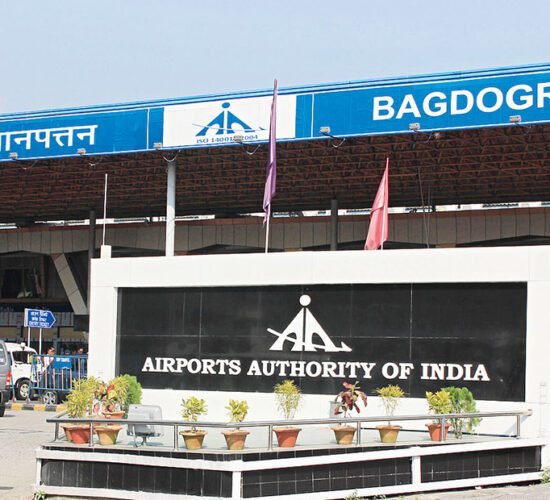
We’re a local Eastern-Himalayan operator — the same Bagdogra–Siliguri–Phuentsholing corridor we use for Sikkim is the gateway into Bhutan, and we time these seasons for a living. We know when the Paro flights start getting cancelled, which festival dates are worth restructuring an itinerary around, and how to read a Phobjikha morning for cranes.

Practically, that means we’ll line your trip up with the right festival, build in buffer days where the weather warrants it, sort your permits in advance, and keep the SDF and the new GST clearly accounted for. Tell us your dates and what you most want to see, and we’ll tell you honestly whether your timing works — or which week to shift to. Reach out through sikkimtourism.org.

FAQs

What is the best month to visit Bhutan?

April and October are the two standouts — April for the Paro Tshechu and spring blooms, October for the clearest Himalayan views, harvest landscapes and the Bumthang festivals.

What is the cheapest time to visit Bhutan?

December–January and the monsoon months (June–August) see the lowest hotel and flight prices and the fewest crowds. The SDF itself stays the same year-round.

What is the worst time to visit Bhutan?

July–August (peak monsoon) is hardest — heavy rain, low cloud that hides the mountains, trail leeches, and the highest chance of Paro flight delays and road disruptions.

When is the best time to see Bhutan’s festivals in 2026?

Punakha Drubchen 22–24 Feb, Paro Tshechu 30 Mar–3 Apr, Thimphu Tshechu 27–29 Sep, Jambay Lhakhang Drup 26–29 Oct, and the Black-Necked Crane Festival on 11 Nov.

When is the best time to trek in Bhutan?

April and October — dry trails, clear high passes and stable weather. Avoid the monsoon for any high-altitude trek like Jomolhari or the Snowman.

When can I see the black-necked cranes?

Late October through February in the Phobjikha (Gangtey) valley, with the dedicated festival held on 11 November 2026.

Does Bhutan cost more in peak season?

The government SDF is flat all year, but hotels and the limited Paro flights cost more and book out faster in spring and autumn, so reserve early for those seasons.

Get Instant Support


    Why Choose Sikkim Tourism?

    • Experienced

      An experienced Sikkim tour operator, with a team of an experienced travel enthusiast ensure to give our clients well-designed Sikkim Gangtok tour packages.

    • Happy Customers

      Sikkim Tourism has received numerous accolades from its happy customers for its excellent services and best Sikkim holidays.

    • Local Offices

      We have local office in Sikkim for our customers to find assistance anytime and anywhere.


    Get a Question?

    Do not hesitage to give us a call. We are an expert team and we are happy to talk to you.

    +91-9810066496

    info@sikkimtourism.org

    Popular Sikkim Tour Packages

    Popular Places To Visit in Sikkim

    Customer Reviews

    • At times, there is a huge difference between what they offer and what they provide. However, SikkimTourism.org kept its promise to us. They put forth a lot of effort to make our trip to Sikkim the finest one ever.

      Kabir Sahni
      Solo Traveler
    • SIKKIMTOURISM.ORG assisted me in planning a trip for my family and me. I spoke with other tour guides and looked through numerous websites. But none could compare to Sikkim Tourism’s degree of professionalism.

      Rohit Agarwal
      Family Trip
    • Mr. ROHIT phoned me in response to my letter inquiry. He is a really helpful dude. I had a lot of concerns for him, such as the weather in Sikkim and if it was OK to bring my 2-year-old, and he patiently responded to all of them.

      Dilip Madhukar
      Solo Traveler
    • We were able to organise our journey to Gangtok, Tsomgo Lake, Baba Mandir, Nathu La, Yumthang Valley, Lachung, and Darjeeling as a result of his insightful ideas.

      Sanjay Sahni
      Group Traveler
    • The dates of our journey were February 7–15 of this year. The itinerary provided by Sikkim Tourism, our travel guide, was fantastic and guaranteed that our vacation will be memorable.

      Sanjig Garg
      Traveler
    • We need drivers who had a thorough understanding of the roads because Sikkim is situated in a hilly area and has twisty roads. We received these from SikkimTourism.ORG, which helped us feel secure.

      Santosh Sahani
      Traveler
    • Eight days were spent travelling. From day 1 to day 8, the schedule included all travel arrangements, information on the vehicles, accommodations, and meals. The crew, in particular Mr. Rohit, kept in touch with us well.

      Kaushik More
      Family Traveler
    • The accommodation, meals, and transportation arrangements were all well-taken care of. What I appreciated most were the safe travel itinerary and the on-time cab drivers. Overall, our trip was enjoyable. Thanks, SikkimToursim.org group

      Sangeeta
      Honeymoon Traveler
    • Excellent lodging, outstanding transportation, and lovely memories to cherish. Because of their smooth services, I would heartily suggest SIKKIMTOURISM.ORG tourism. I really appreciate it. Bravo to ROHIT and the rest of the SIKKIM TOURISM.ORG team.


      Priya Awasthi
      Solo Traveler
    • In April 2019, my family and I travelled to Sikkim and Darjeeling. We reserved our tour with SIKKIMTOURISM.ORG to make travel easier. I must say that the accommodations for travel, the mode of transportation, and how the trip was planned were all excellent.

      Sonu Sood
      Adventure Trip
    Special Offers

      x
      Get Free Quotes whatsapp icon