info@sikkimtourism.org| 0 98110 66496 / 0 98100 66496

Exploring the Majestic Glaciers in Sikkim: A Journey Through the Eastern Himalayas

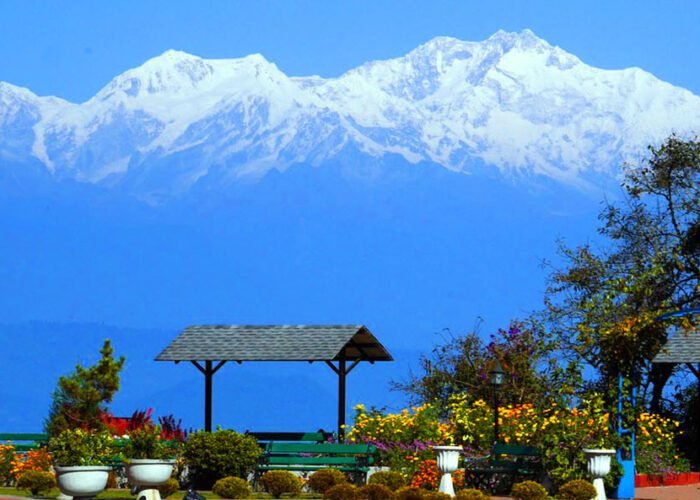
Sikkim is found in the Eastern Himalayas, filled with lovely and charming landscapes. Among its many delights, the glaciers in Sikkim are like a treasure because they are not only visually stunning but also ecologically important parts of this area. These big ice forms have influenced land, fed rivers and kept special types of life alive for thousands of years in Sikkim.

In this blog post, we are about to take a journey into the world of Sikkim’s glaciers. We’ll learn what they are like, why these icy formations matter so much to us all and how people are trying their best to preserve them for future generations.

Suggested Read: Places to visit in Sikkim & Things to do in Sikkim

The Glaciers in Sikkim

Glaciers in Sikkim

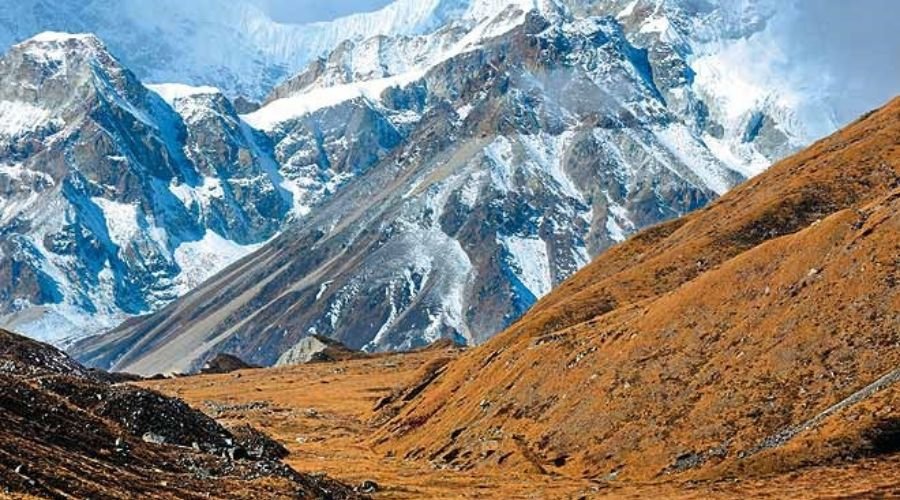
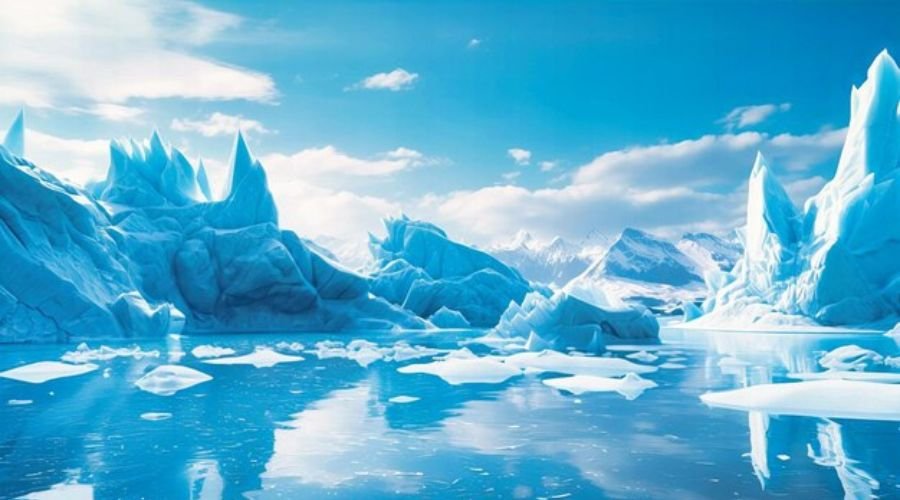
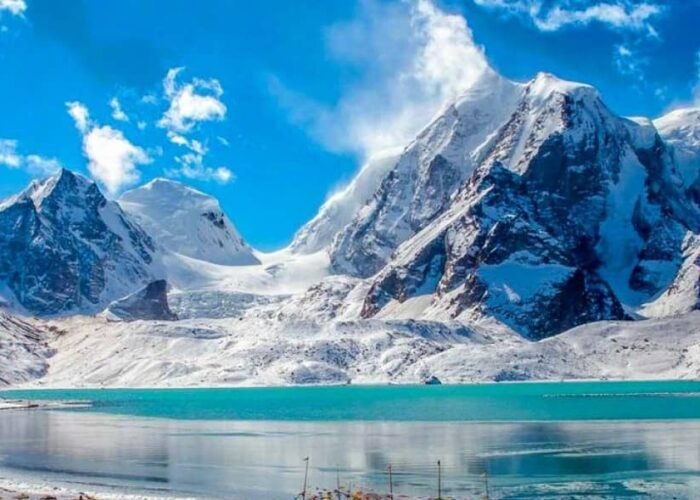
Around 84 glaciers are found in Sikkim, as shown in a study done by the Sikkim State Council of Science and Technology. These icy masses can mainly be seen at high areas within this state; most of them are located on its north and west districts. The glaciers present in Sikkim form part of the greater glacial system known as Himalayan, which is the biggest non-polar system globally and often referred to as “Third Pole.”

Zemu Glacier: The Largest Glacier in Sikkim

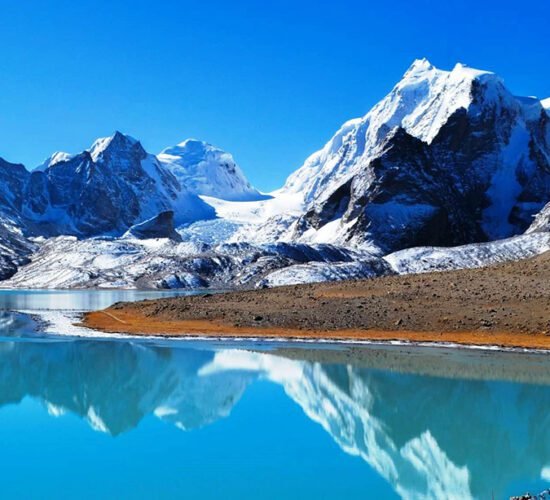
Zemu Glacier

The Zemu Glacier, which you can find in North Sikkim, is the biggest glacier not only in Sikkim but also across all of Eastern Himalayas. It stretches about 26 kilometres long and covers an area that’s roughly 116 square kilometres big. This outstanding glacier gives rise to Teesta River – this river is very important for Sikkim because it supplies water needed by agriculture sector as well as hydropower production along with daily usage purposes such feeding people’s thirst and other requirements (Inside Himalayas).
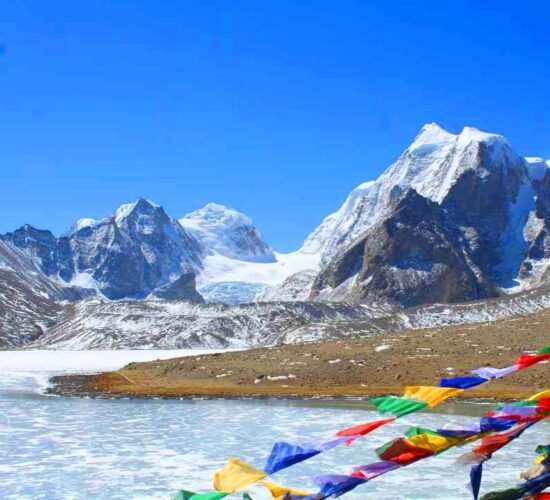
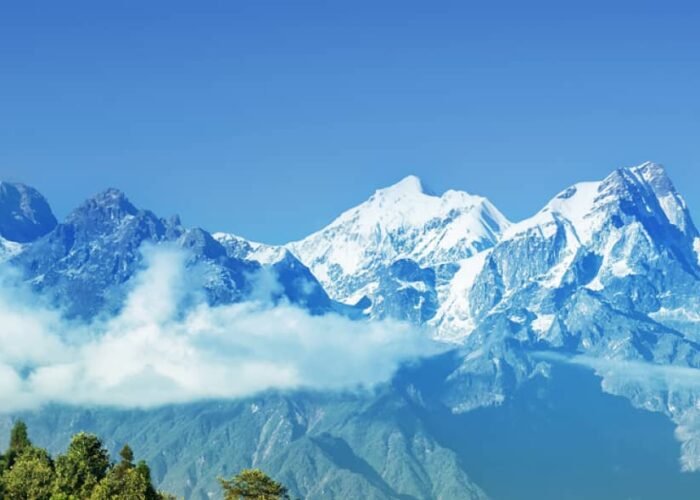
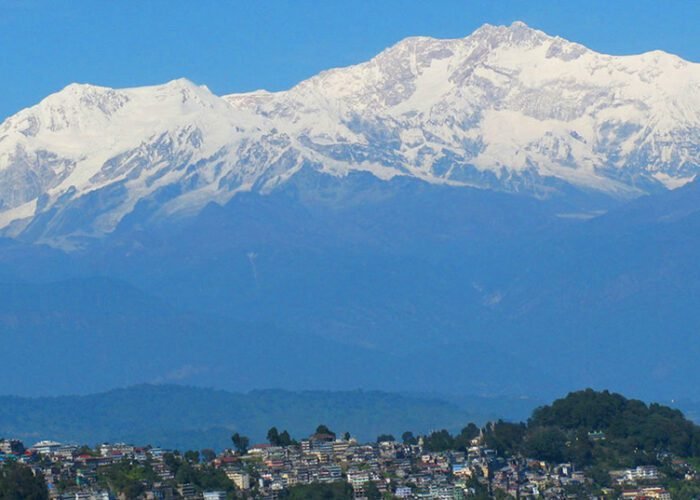
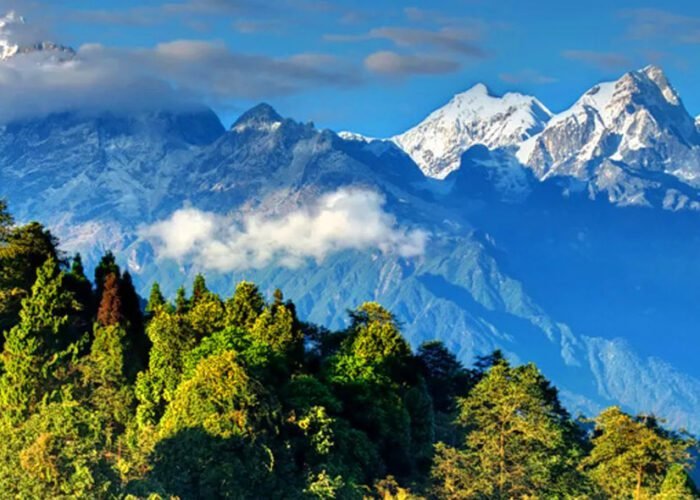
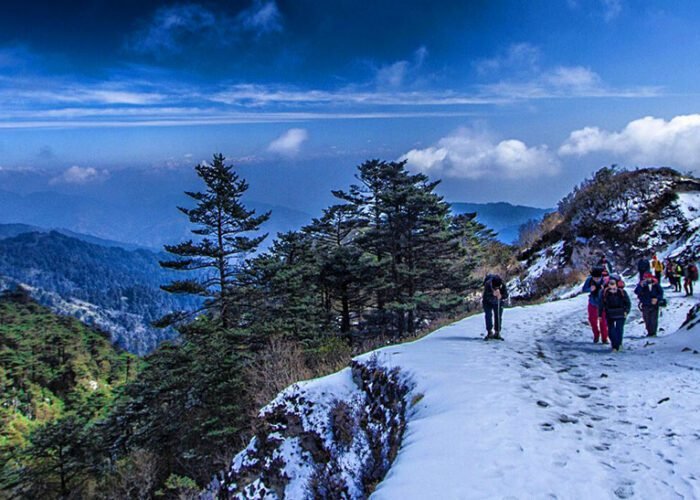
The Zemu Glacier is in the Khangchendzonga National Park, which has been recognized as a UNESCO World Heritage Site. This park is famous for its remarkable variety of life forms and beautiful views. Many adventurers and nature lovers enjoy trekking to the Zemu Glacier, where they can see the impressive size of this huge ice mass and also look at high peaks nearby such as Mount Khangchendzonga that stand third among tallest mountains worldwide.

Other Notable Glaciers in Sikkim

Besides Zemu Glacier, there are other notable glaciers in Sikkim such as:

  • Rathong Glacier: The Rathong Glacier is found in West Sikkim and acts as the starting point for Rangit River, which later becomes one of Teesta River’s biggest tributaries. This glacier holds a length of about 10 kilometres and it is recognized for its scenic attractiveness as well as the demanding journey towards its base.
  • Lonak Glacier: The Lonak Glacier, found in North Sikkim, is a faraway and less-visited glacier that gives birth to the Lonak River. This river then goes on to join the Teesta River. The glacier is enveloped by high peaks and provides an unspoiled landscape for those seeking adventure.
  • Changsang Glacier: The Changsang Glacier, found in North Sikkim, is another important glacier. It gives birth to the Lachen River, which flows into the Teesta River. The glacier has a rough landscape and provides breathtaking sights of nearby mountains.

Ecological Significance of Sikkim’s Glaciers

The glaciers in Sikkim have a big job to do. They serve as storage for water, letting out meltwater during dry periods and keeping rivers and streams alive all year long. This supply of water is important in supporting the many types of plants and animals living in Sikkim’s environment, such as some that are unique only to this place or close to being extinct.

Biodiversity Hotspot

Biodiversity

Sikkim is part of the Eastern Himalayas biodiversity hotspot, known as one of the most special and full places on Earth. The glaciers in Sikkim help a lot to keep this biodiversity because they are steady water supplies for the area’s ecosystems. Glacial water that comes from melting ice is often cold and full with nutrients. This supports many types of plants and animals, from alpine meadows at high places to rich forests in valleys.

Water Security and Agriculture

The glaciers in Sikkim give most of the water for people living there, and they depend on it for their daily needs as well as farming. Water from these glaciers that melts feeds into many rivers and streams across the state like Teesta River which acts as backbone to all water sources within Sikkim. The Teesta River and its small rivers support a wide system of irrigation channels that keep agriculture in Sikkim going strong – this is what supports our economy here.
Hydropower Generation

Hydropower is a big part of Sikkim’s energy mix and the glaciers here are very important for it. The regular melting of ice in glaciers gives a constant amount of water to hydroelectric power plants along main rivers, making sure they always have enough water. These plants not just provide power for Sikkim but also send extra electricity to nearby states, helping with economic growth there too.

Challenges Faced by Sikkim’s Glaciers

Even though they are very important, the glaciers in Sikkim have many problems that could make them disappear. These main dangers are:

Climate Change and Global Warming

Global Warming

Problems like climate change and global warming pose great danger to the glaciers in Sikkim. As the world keeps getting warmer, it speeds up glacial melt which causes glaciers across Himalayas to become thinner and move back. The fast melting of these icy formations brings serious problems such as more chances for glacial lake outburst floods (GLOFs), alterations in river flow patterns, and long-term lack of water.

Investigations have displayed that the glaciers in Sikkim are moving back at an alarming velocity for some decades. An example is the Zemu Glacier, which has moved backwards around 823 meters from 1962 to 2005 as per a study done by Geological Survey of India. This withdrawal does not just impact this glacier but also creates ripple effects on whole ecosystem relying on its melted ice water.

Anthropogenic Pressures

Anthropogenic

Human activities add more stress on the glaciers in Sikkim. The need for water, changes in land use and building works are all causing harm to these delicate environments. Constructing roads, hydroelectric projects and other structures close to glaciers has made the surrounding landscapes less stable which has raised chances of landslides and glacial debris flows.

Tourism, being a critical part of Sikkim’s economy, has effects on the glaciers too. The rise in people visiting glacial zones has caused more pollution and creation of waste along with disturbance to delicate alpine environments. The wrong disposal of waste as well as use fossil fuels in these sensitive areas also worsens the problems faced by glaciers.

Conservation Efforts and Sustainable Development

Understanding how vital the glaciers are and what dangers they encounter, the government of Sikkim is working together with science organizations and people living nearby to start a project called the Sikkim Glacier Conservation and Sustainable Development Project. They have a detailed plan for watching over, keeping safe, and managing in an ongoing way these ice resources by using different methods at once.

Glacier Monitoring and Research

glaciar monitoring

Under the SGCSDP program, the Council for Science and Technology in Sikkim State has set up a series of weather stations at high elevations and systems to watch glaciers. This advanced equipment keeps gathering information about how much glaciers melt, temperature levels, rainfall amounts, and other important measures.

The information is afterwards examined by a group of scientists that study glaciers, climate and water systems to evaluate the condition of the ice masses and forecast what changes will come. This study has provided very important understandings, like pinpointing which glaciers are at greatest risk from climate change and charting areas where glacier lake outburst floods might happen.

Community Involvement and Awareness

The SGCSDP understands saving glaciers is not possible if the people living nearby do not help. Therefore, they started a big campaign called “Glaciers, Our Lifeline” to teach individuals about how crucial glaciers are and what happens because of climate change.

The campaign consists of educational programs in schools, workshops for the community, and efforts to reach people through media. Furthermore, the initiative has prepared a group called “Glacier Guardians” – these are local volunteers who keep an eye on glaciers, notify others if they observe something out of the ordinary and encourage eco-friendly habits within their communities.

Sustainable Tourism Practices

The glaciers in Sikkim attract many visitors; however, tourism without rules might harm these sensitive environments. The SGCSDP has created precise instructions for visiting the glaciers that include a cap on visitor numbers, the requirement to use products that do not harm the environment, and a prohibition on plastics intended for one-time use.

The initiative has trained nearby tour guides and operators in sustainable ways to do tourism, and set up eco-friendly camping spots close to well-known paths for walking on glaciers. These steps help reduce the harm to nature from tourists while also giving people who live there chances for lasting jobs.

Climate Change Mitigation and Adaptation

Sikkim is at the forefront in addressing climate change within the Himalayan area. Through its SGCSDP, this state has high aspirations to switch to renewable energy sources and aims for a complete transition by 2030. The project has started a big effort to plant trees, aiming to put in the ground 100 million of them by 2030.

This will help absorb carbon dioxide and control the local climate near the glaciers. To deal with climate change effects, it is encouraging farming that takes into account changing weather patterns; setting up alerts for when glacier lakes may overflow suddenly; and building strong roads, bridges, and buildings that can withstand harsh weather in places where people rely on glaciers.

Bottom Line

Sikkim’s glaciers, they are not only great and beautiful parts of nature; they also support the life around them, like ecosystems, people living there, and how money is made. But now these important ice sources face dangers because the weather of the world changes and what humans do. We observe that the shrinking of these glaciers has significant effects which go past Sikkim’s borders, impacting the whole area of the Eastern Himalayas.

The Project for Conserving Glaciers and Developing Sustainably in Sikkim is a thorough and creative way to safeguard these important assets. It mixes science study, working with local people, tourism that doesn’t harm the environment, and actions to lessen or adjust to climate change effects. This project gives a pattern for saving glaciers which could be used throughout the Himalayas and even wider areas.

Get Instant Support


    Why Choose Sikkim Tourism?

    • Experienced

      An experienced Sikkim tour operator, with a team of an experienced travel enthusiast ensure to give our clients well-designed Sikkim Gangtok tour packages.

    • Happy Customers

      Sikkim Tourism has received numerous accolades from its happy customers for its excellent services and best Sikkim holidays.

    • Local Offices

      We have local office in Sikkim for our customers to find assistance anytime and anywhere.


    Get a Question?

    Do not hesitage to give us a call. We are an expert team and we are happy to talk to you.

    +91-9810066496

    info@sikkimtourism.org

    Popular Sikkim Tour Packages

    Popular Places To Visit in Sikkim

    Customer Reviews

    • At times, there is a huge difference between what they offer and what they provide. However, SikkimTourism.org kept its promise to us. They put forth a lot of effort to make our trip to Sikkim the finest one ever.

      Kabir Sahni
      Solo Traveler
    • SIKKIMTOURISM.ORG assisted me in planning a trip for my family and me. I spoke with other tour guides and looked through numerous websites. But none could compare to Sikkim Tourism’s degree of professionalism.

      Rohit Agarwal
      Family Trip
    • Mr. ROHIT phoned me in response to my letter inquiry. He is a really helpful dude. I had a lot of concerns for him, such as the weather in Sikkim and if it was OK to bring my 2-year-old, and he patiently responded to all of them.

      Dilip Madhukar
      Solo Traveler
    • We were able to organise our journey to Gangtok, Tsomgo Lake, Baba Mandir, Nathu La, Yumthang Valley, Lachung, and Darjeeling as a result of his insightful ideas.

      Sanjay Sahni
      Group Traveler
    • The dates of our journey were February 7–15 of this year. The itinerary provided by Sikkim Tourism, our travel guide, was fantastic and guaranteed that our vacation will be memorable.

      Sanjig Garg
      Traveler
    • We need drivers who had a thorough understanding of the roads because Sikkim is situated in a hilly area and has twisty roads. We received these from SikkimTourism.ORG, which helped us feel secure.

      Santosh Sahani
      Traveler
    • Eight days were spent travelling. From day 1 to day 8, the schedule included all travel arrangements, information on the vehicles, accommodations, and meals. The crew, in particular Mr. Rohit, kept in touch with us well.

      Kaushik More
      Family Traveler
    • The accommodation, meals, and transportation arrangements were all well-taken care of. What I appreciated most were the safe travel itinerary and the on-time cab drivers. Overall, our trip was enjoyable. Thanks, SikkimToursim.org group

      Sangeeta
      Honeymoon Traveler
    • Excellent lodging, outstanding transportation, and lovely memories to cherish. Because of their smooth services, I would heartily suggest SIKKIMTOURISM.ORG tourism. I really appreciate it. Bravo to ROHIT and the rest of the SIKKIM TOURISM.ORG team.


      Priya Awasthi
      Solo Traveler
    • In April 2019, my family and I travelled to Sikkim and Darjeeling. We reserved our tour with SIKKIMTOURISM.ORG to make travel easier. I must say that the accommodations for travel, the mode of transportation, and how the trip was planned were all excellent.

      Sonu Sood
      Adventure Trip
    Special Offers

      x
      Get Free Quotes whatsapp icon