info@sikkimtourism.org| 0 98110 66496 / 0 98100 66496

Things to Do in Bhutan

A Local’s Guide to the Best Experiences (2026)
From the team at sikkimtourism.org — a local Eastern-Himalayan operator. We run Bhutan trips through the same gateway we use for Sikkim, so this list is built from doing these things, not reading about them.

Most “things to do in Bhutan” lists are the same fifteen attractions copied around the internet, ranked by nothing in particular, with no opinion on what’s actually worth your limited days and SDF nights. That’s not very useful when you’re trying to decide whether to spend a morning on a hike or a hot stone bath.
So here’s the honest version. The things that genuinely earned their spot, a couple that are overrated, and the small, unglamorous experiences that end up being people’s favourite memory — usually a meal in a farmhouse rather than a monument. I’ve grouped them roughly by region so you can see how they string into a real trip.

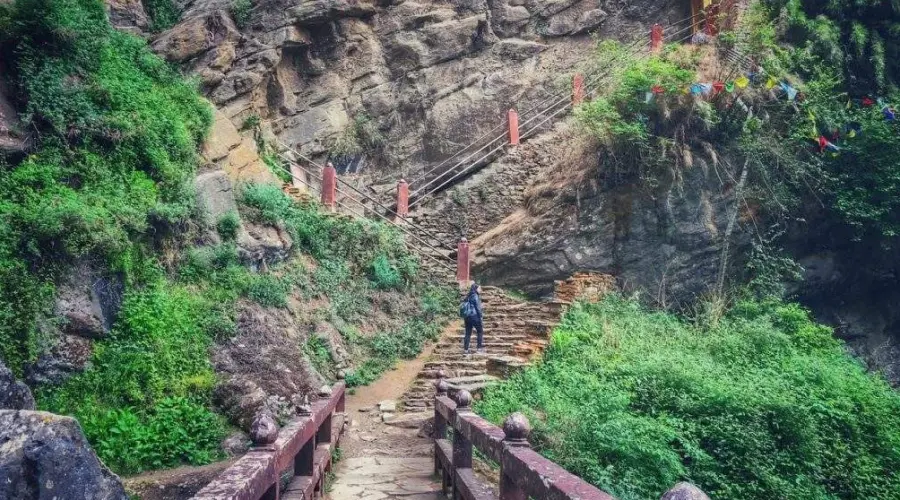
1. Hike to Tiger’s Nest (Paro Taktsang) — yes, it lives up to it

Hike to Tiger's Nest (Paro Taktsang)

If you do one thing in Bhutan, do this. Paro Taktsang clings to a cliff at around 3,120 metres, wrapped around the cave where Guru Rinpoche is said to have meditated after flying in on a tigress. The photos are everywhere; standing below it is still better.

The honest bit: it’s a real hike, roughly 4–5 hours return, climbing about 900 metres. There’s a tea house about halfway (good viewpoint, fair butter tea) and a sting in the tail — a long flight of stone steps down into a gorge and back up to the monastery. Go early, before the mid-morning crowds and haze. You can hire a pony for the way up (not the way down), but you’ll still walk the final stretch. Don’t underestimate it if you’re not acclimatised — take it slow. Tip: autumn and spring give the clearest backdrop; in summer the cliff is often lost in cloud.

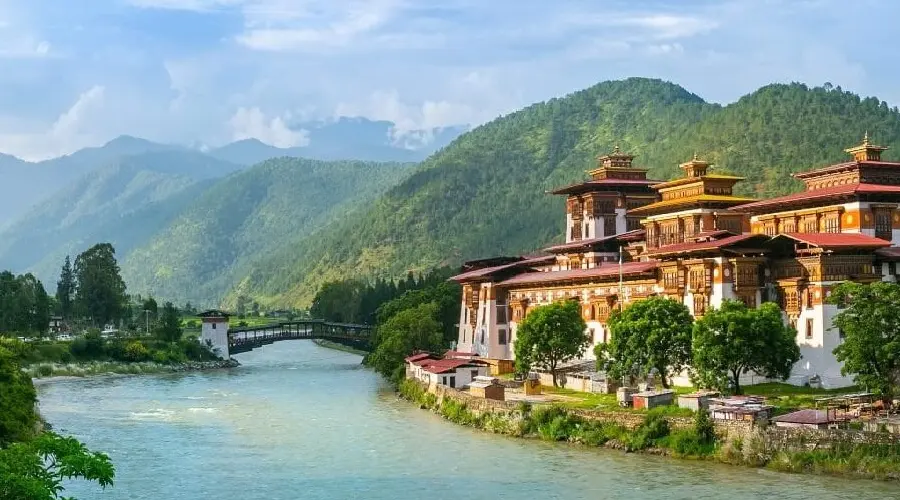
2. Punakha Dzong — the one to see if you see only one

Punakha the most beautiful dzong

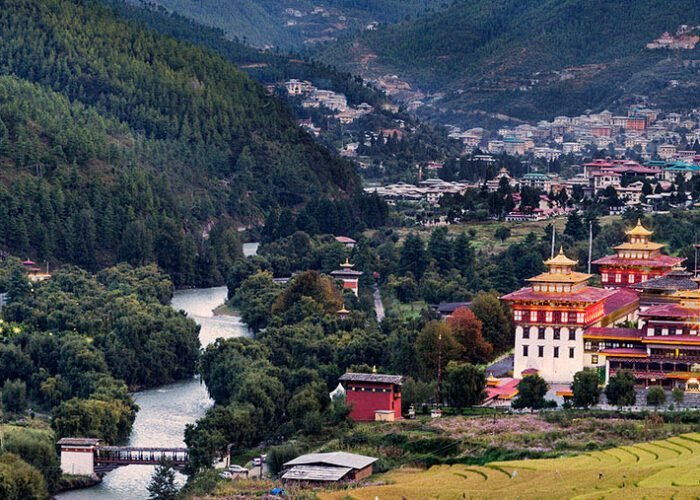
Bhutan’s dzongs (fortress-monasteries) blur together after a few. Punakha Dzong doesn’t. It sits at the confluence of the Pho Chhu and Mo Chhu rivers, founded in 1637, and in spring the lilac jacaranda trees around it make it the most photographed building in the country for good reason. The woodwork inside the assembly hall is extraordinary. If you time it with the Punakha Drubchen (22–24 Feb 2026), you also catch a roaring historical re-enactment.
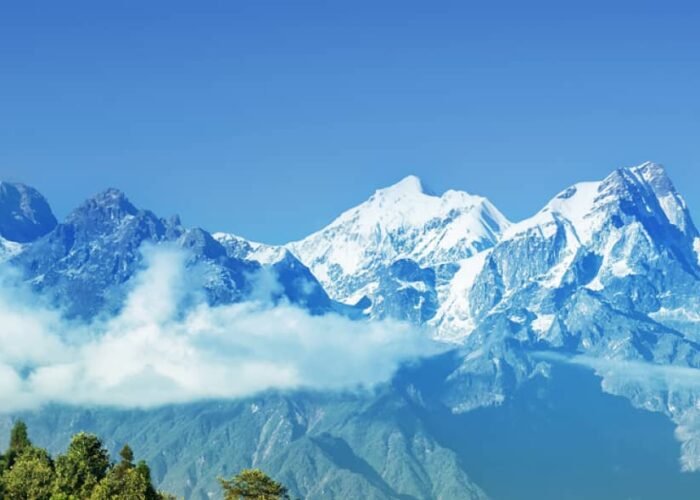
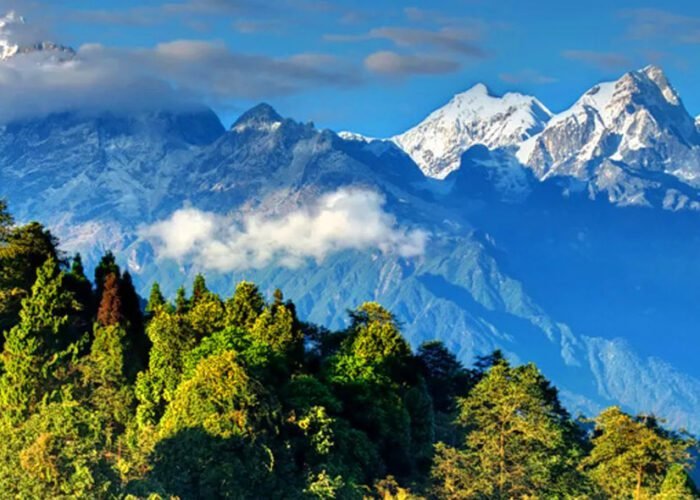
To get there you cross Dochula Pass (around 3,100 m) with its 108 chortens and, on a clear day, a wall of Himalayan peaks — worth a proper stop, not a drive-through.

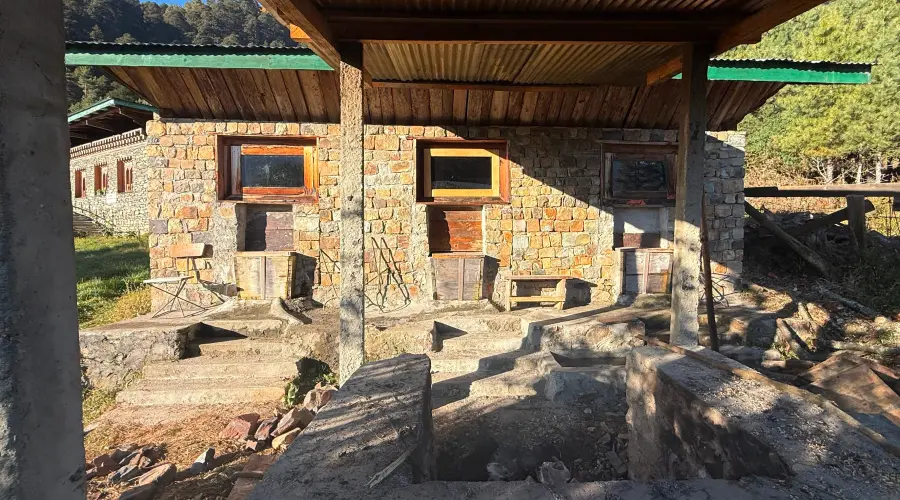
3. Soak in a traditional hot stone bath (dotsho)

Hot Stone Bath (dotsho) Bhutan

This is the experience people don’t expect to love and then talk about for months. River stones are heated red-hot in a fire and dropped into a wooden tub of water and fresh artemisia leaves — the minerals are said to ease aches, and after a Tiger’s Nest day your legs will agree. Best done at a farmhouse in Punakha or Paro rather than a slick spa; the rustic version is the real one. Arrange it a day ahead, since heating the stones takes hours.

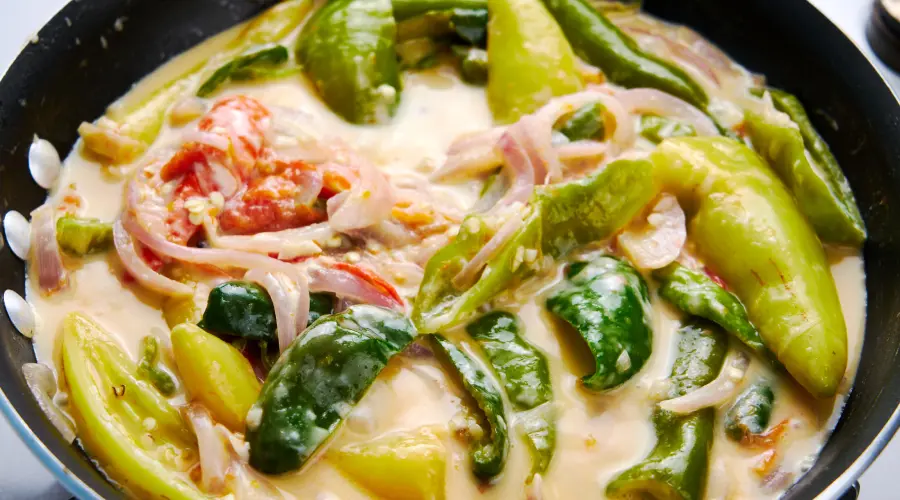
4. Eat ema datshi (and brace for the chillies)

Bhutan's national dish is ema datshi

Bhutan’s national dish is ema datshi — chillies cooked with local cheese, where chilli is the vegetable, not the spice. It’s hot. It’s also genuinely delicious, especially the version with the dried red chillies. Pair it with red rice and, if you’re brave, a cup of suja (butter tea), which tastes more like soup than tea. Eating a farmhouse meal cross-legged on the floor tells you more about Bhutan than any museum.

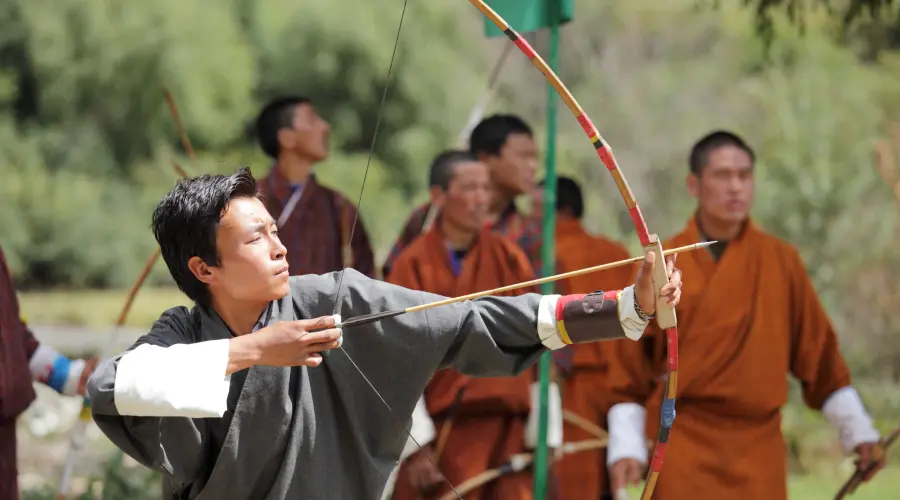
5. Try archery — Bhutan’s national sport

Archery — Bhutan's national sport

Archery (datse) is woven into Bhutanese life, and a match is pure theatre: targets set absurdly far apart, archers taunting each other, a little victory dance after a hit. Many operators can arrange a friendly session at a range, sometimes with traditional bamboo bows. It’s more fun than it sounds and a quick way to break the ice with locals.

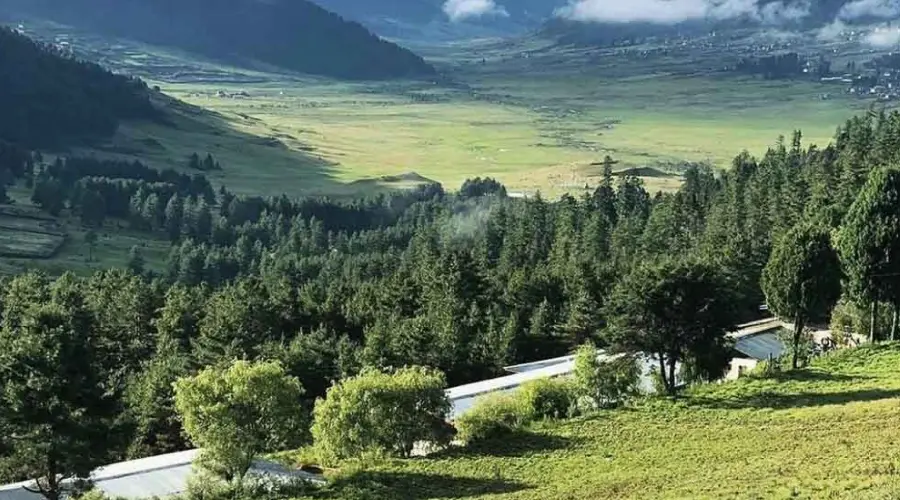
6. Spend a slow day in Phobjikha (Gangtey) valley

Phobjikha Valley Bhutan

A wide, glacial valley with no real “sights” — and that’s the point. Phobjikha is the most peaceful place in Bhutan, all misty pastures and grazing cattle, anchored by Gangtey Monastery. From late October to February it fills with black-necked cranes migrating from Tibet; the Black-Necked Crane Festival (11 Nov 2026) at Gangtey is the moment to see them celebrated. Walk the Gangtey Nature Trail (an easy 90 minutes) and let the place do its quiet thing.

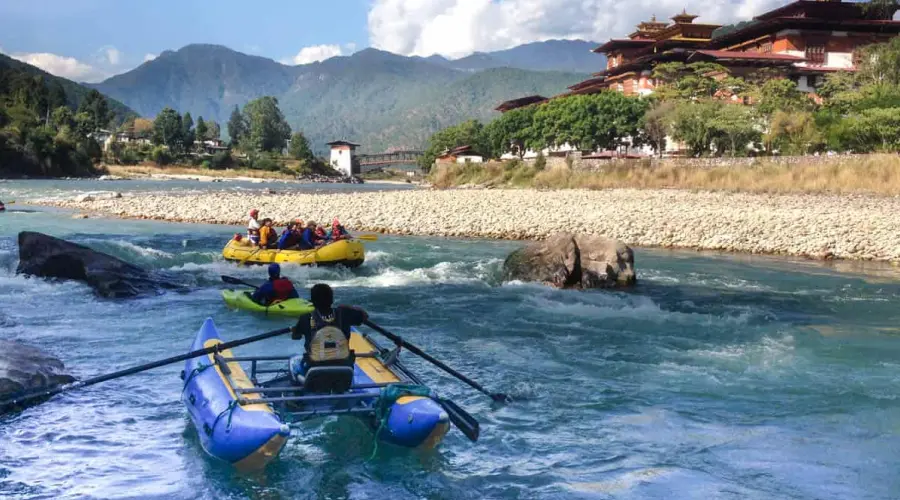
7. Raft the Mo Chhu in Punakha

Raft the Mo Chhu in Punakha

For something with a pulse: a 16 km raft down the Mo Chhu, floating past Punakha Dzong from an angle most visitors never get, through rapids with names like “The Washing Machine.” It’s scenic more than scary — suitable for beginners — and ends with a riverside picnic. A good half-day if you want a break from monasteries.

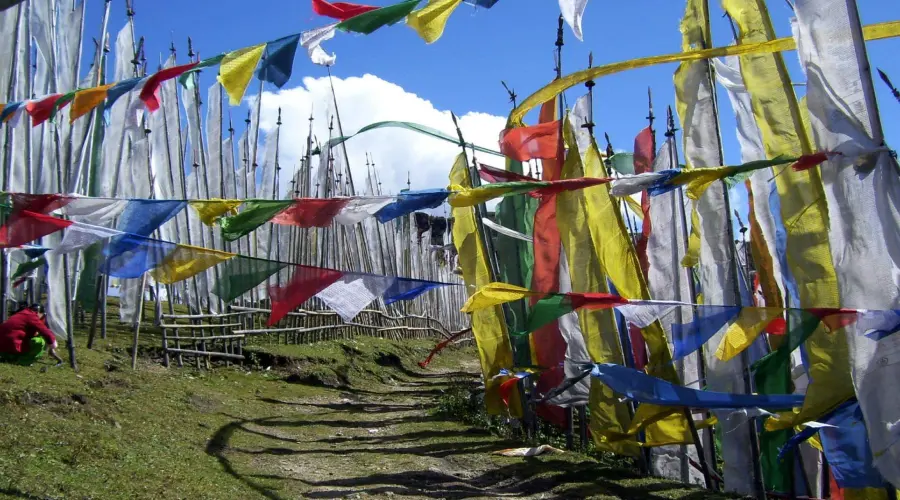
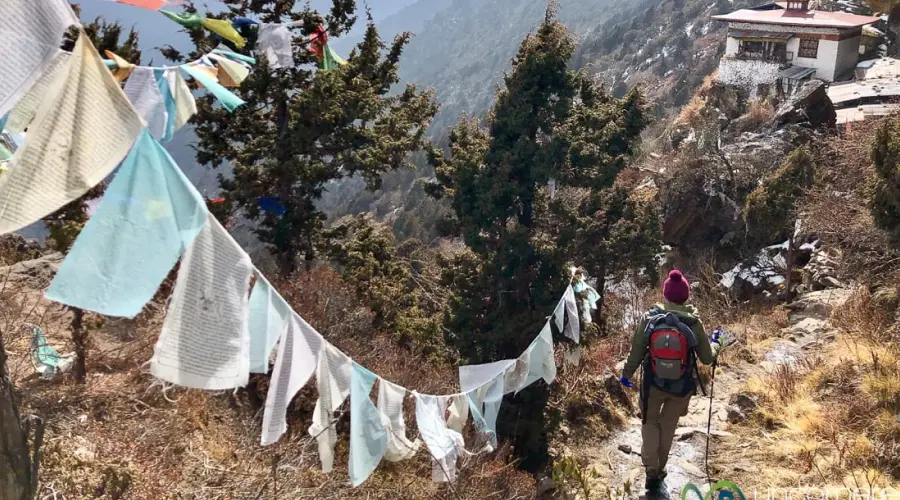
8. Stand at Chele La, Bhutan’s highest motorable pass

Chele La, Bhutan's highest motorable pass

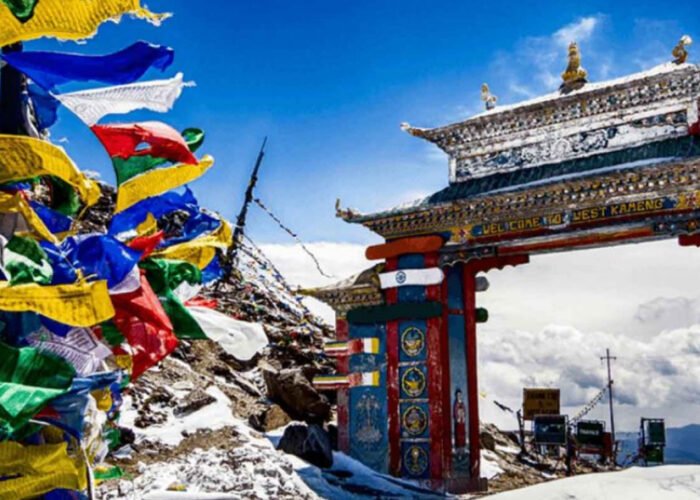
At around 3,988 metres, Chele La is the highest road pass in the country, strung with prayer flags and looking out toward Mount Jomolhari on a clear day. It’s the trailhead for hikes into the quiet Haa Valley — one of the least-touristed corners of Bhutan and worth the detour if you have a spare day and want to escape the Paro–Thimphu–Punakha loop.

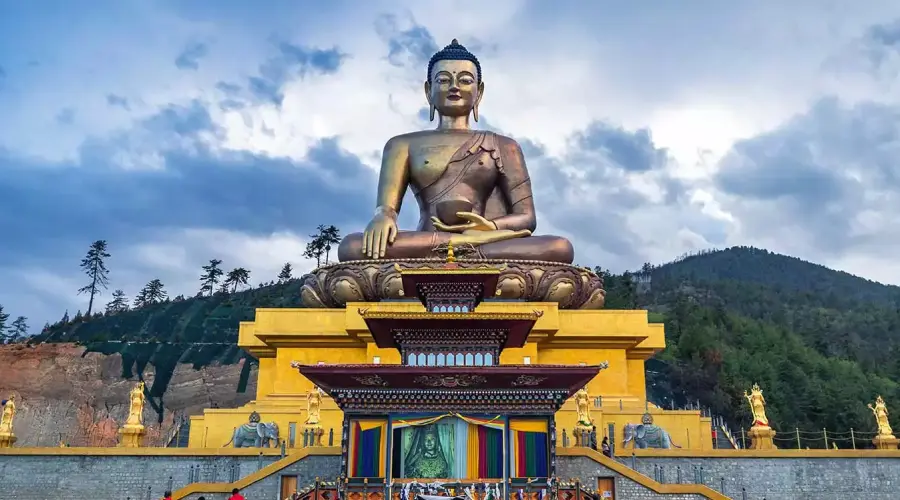
9. See the Buddha Dordenma and wander Thimphu

Buddha Dordenma and wander Thimphu

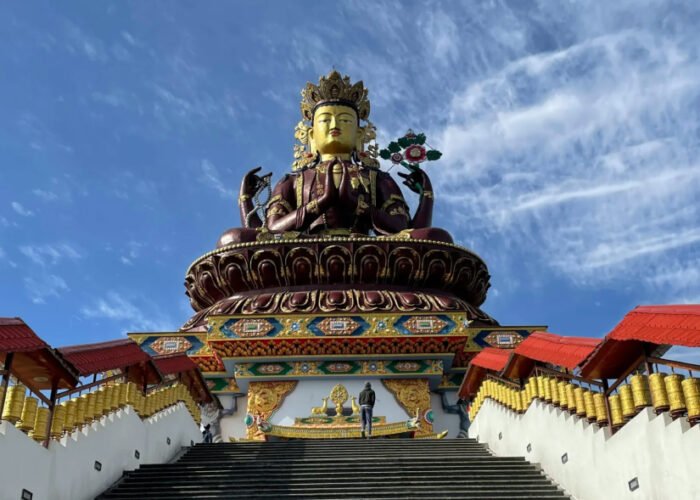
Thimphu is the only world capital with no traffic lights (a white-gloved policeman directs cars — go watch). Above the city sits the Buddha Dordenma, a 51-metre golden Buddha housing 125,000 smaller statues inside. Time your visit for a weekend and hit the Thimphu Weekend Market (Fri–Sun): chillies, fern fronds, datshi, handwoven textiles and silver. Skip the more touristy “mini-zoo” hype and spend the time at the market instead.

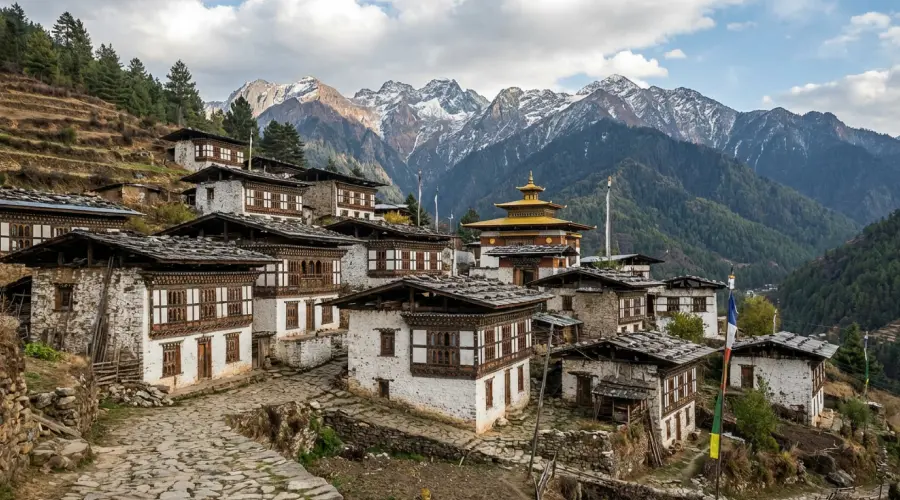
10. Go deep into the Bumthang valleys

Bumthang Valley

If you have the days, push east to Bumthang — Bhutan’s spiritual heartland, a cluster of valleys dense with ancient temples (Jambay Lhakhang, Kurjey Lhakhang), buckwheat fields, apple orchards and even a local brewery and cheese-maker. The Jambay Lhakhang Drup (26–29 Oct 2026) with its midnight fire ceremony is one of the most atmospheric festivals in the country. Bumthang is a long drive from Paro, so it’s for trips of 8+ days.

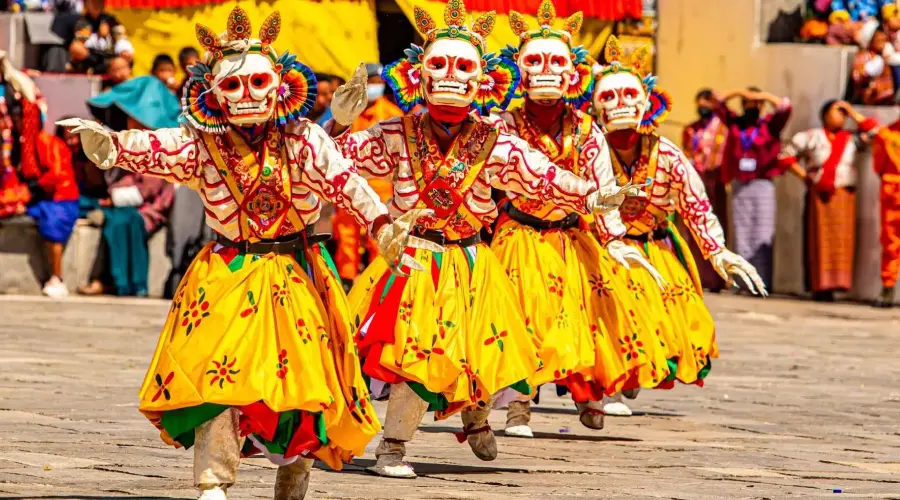
11. Catch a Tshechu (masked dance festival)

Tshechu (masked dance festival)

If your dates allow, build the trip around a Tshechu. Monks and laymen in vivid masks and brocade perform sacred dances in a dzong courtyard, the whole valley turns out in its finest kira and gho, and on the final dawn a giant appliqué Thongdrel is unfurled. The big two are Paro Tshechu (30 Mar–3 Apr 2026) and Thimphu Tshechu (27–29 Sep 2026). Book early — these are the busiest dates of the year.

12. Trek, if you have the legs for it

Trekking Bhutan

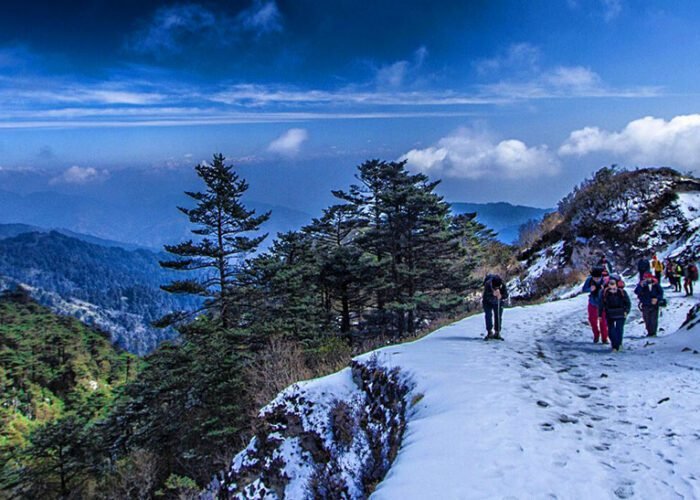
Beyond the day hikes, Bhutan has serious trekking. The Druk Path (Paro to Thimphu, 5–6 days) is the accessible classic; the Jomolhari trek reaches almost 5,000 m with face-to-face mountain views; and the legendary Snowman Trek is one of the hardest treks on earth. Best months are April and October. Don’t attempt high-altitude trekking in the monsoon.

A few honest “skips” and trade-offs

Not everything deserves your SDF nights. The textile and folk museums in Thimphu are pleasant but quick; don’t over-allocate. You don’t need to visit five dzongs — see Punakha and the Paro and Thimphu dzongs and move on, or they blur. And if your trip is short (4–5 days), resist the urge to reach Bumthang; you’ll spend the holiday in a car. Better to do Paro, Thimphu and Punakha properly and well.

How many days do you need?

A rough guide: 5 days covers Paro (Tiger’s Nest), Thimphu and a Punakha day trip comfortably. 7 days adds Phobjikha and a slower pace. 10+ days lets you reach Bumthang and the east, or add a trek. Remember every night carries the SDF (₹1,200 per person per night for Indians, USD 100 for other nationals in 2026), so plan the days you’ll actually use.

Planning the right Bhutan itinerary with sikkimtourism.org

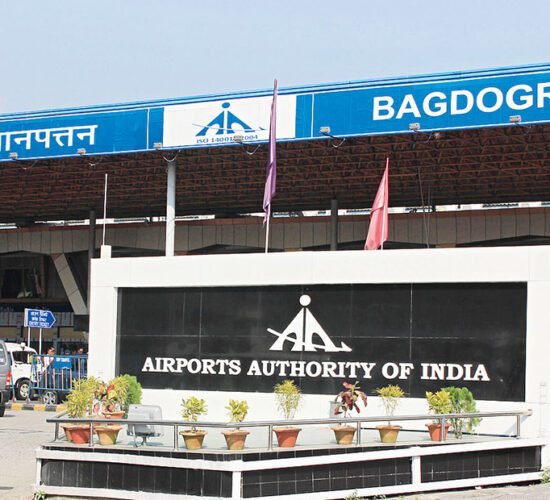
We’re a local Eastern-Himalayan operator and Bhutan is part of our regular ground — the same Bagdogra–Siliguri–Phuentsholing route we run for Sikkim is the gateway in. That means we can tell you which hot stone bath is worth the detour, get you to Tiger’s Nest before the crowds, time your trip to a Tshechu or the cranes, and stop you wasting days driving when you’ve only got five.

We handle the permits, the Tiger’s Nest and rafting bookings, the farmhouse stays, and we keep the SDF and the new 2026 GST clearly accounted for. Tell us how many days you have and what kind of traveller you are, and we’ll build a route that fits — not a copy-paste itinerary. Reach out through sikkimtourism.org.

FAQs

What are the top things to do in Bhutan?

Hike to Tiger’s Nest, visit Punakha Dzong, take a traditional hot stone bath, eat ema datshi, try archery, spend a day in Phobjikha valley, and — if your dates allow — catch a Tshechu festival.

What is the number one attraction in Bhutan?

Tiger’s Nest Monastery (Paro Taktsang), a cliffside monastery at about 3,120 m reached by a 4–5 hour return hike. It’s the country’s defining sight.

What unique experiences can you only have in Bhutan?

A red-hot-stone artemisia bath at a farmhouse, watching a masked-dance Tshechu, seeing black-necked cranes in Phobjikha, and eating chilli-and-cheese ema datshi in a village home.

Is Bhutan good for adventure activities?

Yes — river rafting on the Mo Chhu, multi-day treks (Druk Path, Jomolhari, the famously tough Snowman), mountain biking from Dochula, and high passes like Chele La.

How many days do you need to see Bhutan?

Five days for the Paro–Thimphu–Punakha core, seven to add Phobjikha at a relaxed pace, and ten or more to reach Bumthang or fit in a trek.

What’s the best time to do these activities?

Spring (March–May) and autumn (September–November) for the clearest weather, the major festivals, and safe trekking and road conditions.

Get Instant Support


    Why Choose Sikkim Tourism?

    • Experienced

      An experienced Sikkim tour operator, with a team of an experienced travel enthusiast ensure to give our clients well-designed Sikkim Gangtok tour packages.

    • Happy Customers

      Sikkim Tourism has received numerous accolades from its happy customers for its excellent services and best Sikkim holidays.

    • Local Offices

      We have local office in Sikkim for our customers to find assistance anytime and anywhere.


    Get a Question?

    Do not hesitage to give us a call. We are an expert team and we are happy to talk to you.

    +91-9810066496

    info@sikkimtourism.org

    Popular Sikkim Tour Packages

    Popular Places To Visit in Sikkim

    Customer Reviews

    • At times, there is a huge difference between what they offer and what they provide. However, SikkimTourism.org kept its promise to us. They put forth a lot of effort to make our trip to Sikkim the finest one ever.

      Kabir Sahni
      Solo Traveler
    • SIKKIMTOURISM.ORG assisted me in planning a trip for my family and me. I spoke with other tour guides and looked through numerous websites. But none could compare to Sikkim Tourism’s degree of professionalism.

      Rohit Agarwal
      Family Trip
    • Mr. ROHIT phoned me in response to my letter inquiry. He is a really helpful dude. I had a lot of concerns for him, such as the weather in Sikkim and if it was OK to bring my 2-year-old, and he patiently responded to all of them.

      Dilip Madhukar
      Solo Traveler
    • We were able to organise our journey to Gangtok, Tsomgo Lake, Baba Mandir, Nathu La, Yumthang Valley, Lachung, and Darjeeling as a result of his insightful ideas.

      Sanjay Sahni
      Group Traveler
    • The dates of our journey were February 7–15 of this year. The itinerary provided by Sikkim Tourism, our travel guide, was fantastic and guaranteed that our vacation will be memorable.

      Sanjig Garg
      Traveler
    • We need drivers who had a thorough understanding of the roads because Sikkim is situated in a hilly area and has twisty roads. We received these from SikkimTourism.ORG, which helped us feel secure.

      Santosh Sahani
      Traveler
    • Eight days were spent travelling. From day 1 to day 8, the schedule included all travel arrangements, information on the vehicles, accommodations, and meals. The crew, in particular Mr. Rohit, kept in touch with us well.

      Kaushik More
      Family Traveler
    • The accommodation, meals, and transportation arrangements were all well-taken care of. What I appreciated most were the safe travel itinerary and the on-time cab drivers. Overall, our trip was enjoyable. Thanks, SikkimToursim.org group

      Sangeeta
      Honeymoon Traveler
    • Excellent lodging, outstanding transportation, and lovely memories to cherish. Because of their smooth services, I would heartily suggest SIKKIMTOURISM.ORG tourism. I really appreciate it. Bravo to ROHIT and the rest of the SIKKIM TOURISM.ORG team.


      Priya Awasthi
      Solo Traveler
    • In April 2019, my family and I travelled to Sikkim and Darjeeling. We reserved our tour with SIKKIMTOURISM.ORG to make travel easier. I must say that the accommodations for travel, the mode of transportation, and how the trip was planned were all excellent.

      Sonu Sood
      Adventure Trip
    Special Offers

      x
      Get Free Quotes whatsapp icon