info@sikkimtourism.org| 0 98110 66496 / 0 98100 66496

Khangchendzonga National Park, Sikkim – UNESCO World Heritage Site

Khangchendzonga National Park: Quick Facts

Features Details 
Location  Mangan and Gyalshing, Sikkim
Area  1,784 sq. km.
Category  National Park cum Biosphere Reserve
Highest Point  8,586 m (28,169 ft) Mt. Kanchenjunga Peak
Lowest Point  1,220 m
Coordinates N27 45 53 E88 22 38
Year of Inscription  2016 (Declared India’s first and only Mixed UNESCO World Heritage Site).
River Basin Located in Teesta River Basin
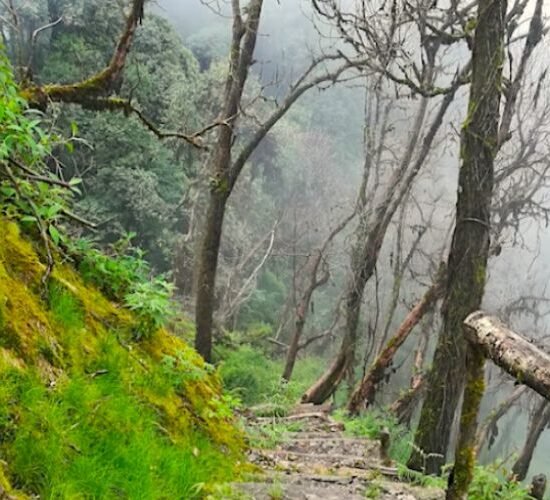
Eco Zones Sub-tropical forests (1220 m) to Arctic Tundra (8,586 m).
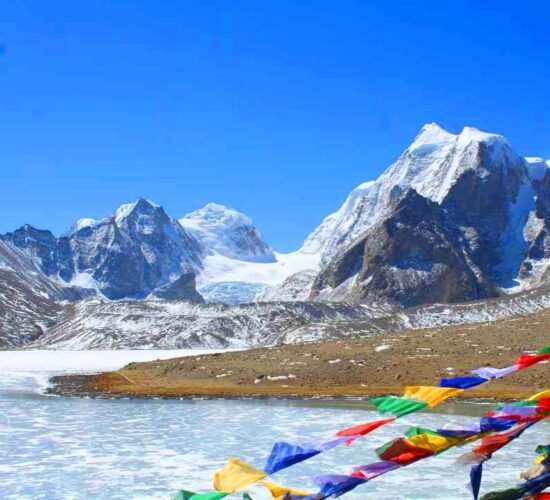
Total Glaciers 18 major glaciers; Longest: Zemu Glacier (26 km long)
Lakes  73 Lakes
Flora (Changes with altitude) Maple, Oak, Chestnut, Pine, Fir, Juniper, Rhododendrons, & 523 species of orchids (source: Sikkim Forest Dept.)
Fauna  Snow Leopard, Jungle Cat, Golden Cat, Tibetan Wolf, Red Panda, Goral, Blue Sheep, Himalayan Tahr, Mainland Serow, etc
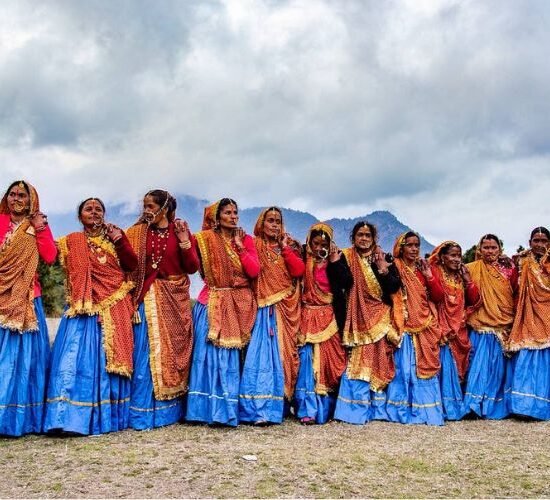
Tribes Associated  Holds spiritual significance for Lepacha and Bhutia communities


Introduction

Khangchendzonga National Park, located in the northeastern state of Sikkim, is a UNESCO World Heritage site and India’s only Mixed Heritage Site. This National Park is renowned for its exceptional natural beauty, exquisite vegetation, diverse fauna and flora, and deep spiritual and cultural significance.

The Khangchendzonga National Park was established in 1977. Twenty  years later many (around 1997) significant mountains, major glaciers, and low-lying green areas were also  included in the Park, leading to its expansion. Today, the Khangchendzonga National Park covers an area of 1,784 sq. km. i.e. 25% of Sikkim.

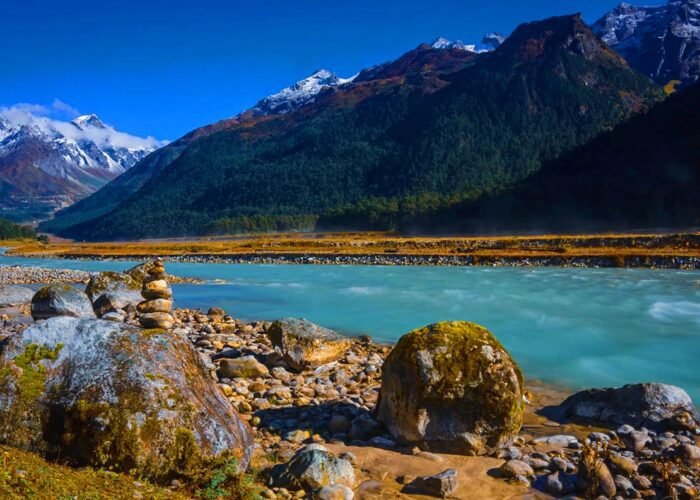
In this humongous sanctuary, thrives a diverse variety of plants, animals, birds, insects and other species. This is also due to the variation in altitude (from low to high) and presence of temperate, sub-tropical, and alpine ecosystems. The availability of lakes, rivers, glaciers, etc offers a nurturing habitat for different species of flora and fauna.

The Khangchendzonga National Park is also a revered site for Buddhist and Lepchas, presenting a beautiful culture of co-existence. Sikkimese people consider Mount Khangchendzonga as the Mountain Guardian deity. The locals celebrate Pang Lhabsol which celebrates the consecration of Mount Khangchendzonga by performing a warrior dance and strengthening bonds between Lepcha and Bhutia communities.

But out of all places in Sikkim, why was Khangchendzonga National Park selected as a World Heritage Site? Let’s find out.

Why was Khangchendzonga National Park Selected as a UNESCO World Heritage Site ?

The places selected as UNESCO World Heritage Sites are of “Outstanding Universal Value”. It means their significance isn’t just for a particular country or a place, but for the entire world. These places include natural landmarks, monuments, cities, and mixed sites.

There are 10 different criteria that indicate the “Outstanding Universal Value” of a place. Out of the ten criteria, a place has to satisfy at least one criterion to be inscribed as a UNESCO World Heritage Site. Out of the ten, Khangchendzonga National Park in Sikkim satisfies four different criteria which are:

  • (iii) – to bear a unique or at least exceptional testimony to a cultural tradition or to a civilization which is living or which has disappeared
  • (vi) – to be directly or tangibly associated with events or living traditions, with ideas, or with beliefs, with artistic and literary works of outstanding universal significance. (The Committee considers that this criterion should preferably be used in conjunction with other criteria)
  • (vii) – to contain superlative natural phenomena or areas of exceptional natural beauty and aesthetic importance
  • (x) – to contain the most important and significant natural habitats for in-situ conservation of biological diversity, including those containing threatened species of outstanding universal value from the point of view of science or conservation.

Source: https://whc.unesco.org/en/criteria/

Let’s look at what makes Khangchendzonga National Park a significant place for Sikkim and its people.

  1. Khangchendzonga National Park is a testimony to both culture and tradition. Local tribes like Lepchas, Bhutias, and Tibetan Buddhists consider it as a sacred and spiritual land. For Buddhists, this park is Beyul (which means hidden sacred land) and for Lepchas, it’s Mayel Lyang (their holy homeland). Despite having different beliefs and coming from different cultures, multiple communities peacefully co-exist, creating a beautiful syncretic culture. The Park also helps tie together Sikkim’s unique identity and unity in a single thread.
  2. Khangchendzonga is also the cradle of a diverse society made from different ethnic groups. Over a period of time, these ethnic groups created a syncretic tradition and set an example of harmonious living centred around the Khangchendzonga. This cordial and harmonious co-existence also reflects in the societal and cultural fabric of Sikkim, experienced by tourists who visit Sikkim from all over India and the world.  To reiterate what Khangchendzonga for Sikkimese,
    1. The Lepcha community calls Khangchendzonga Mayel Layn (holy land).
    2. The community of Tibetan Buddhists consider Khangchendzonga as a Beyul (hidden sacred land).
    3. The Bhutia community performs rituals and celebrates festivals like Pang Lhabsol and NaamSoong (Bhutia New Year) to honour the mountain deity Khangchendzonga.

Also Read: Fair and Festivals of Sikkim

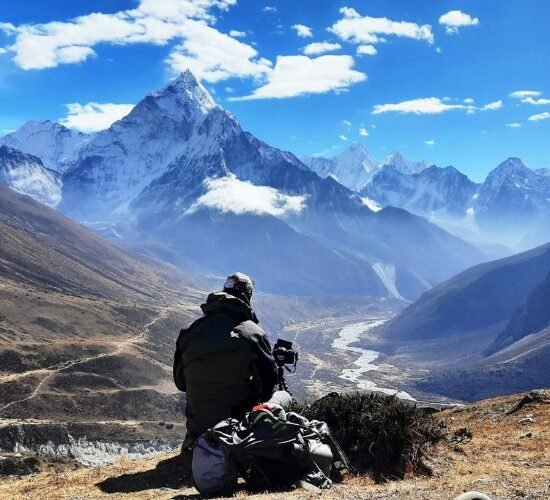
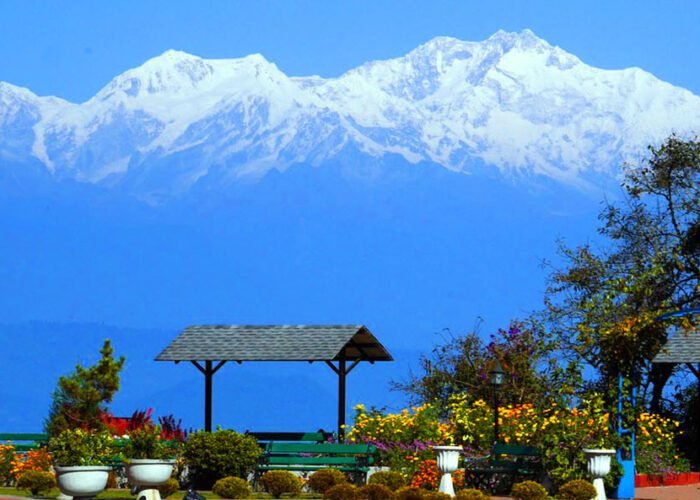
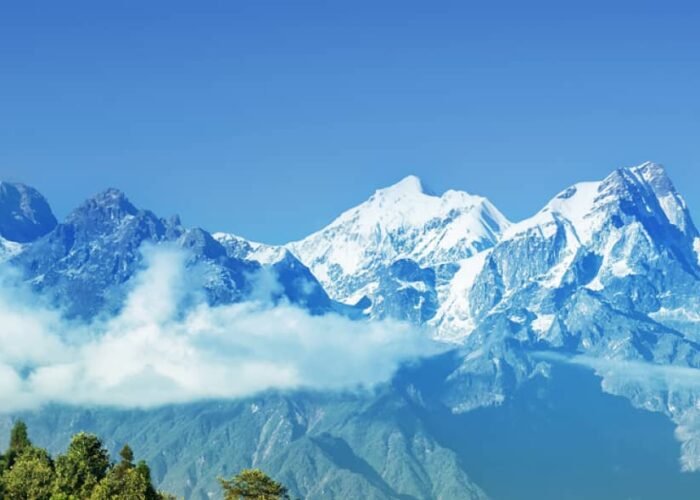
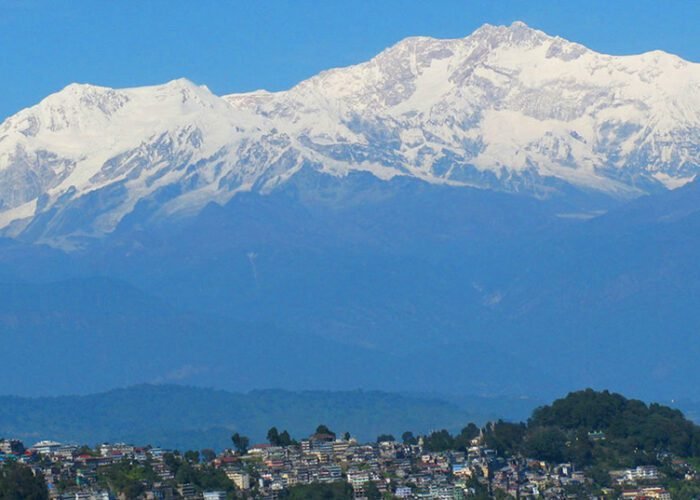
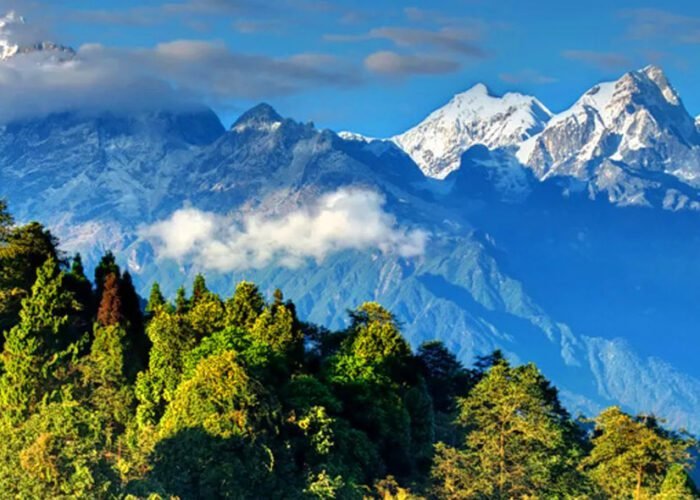
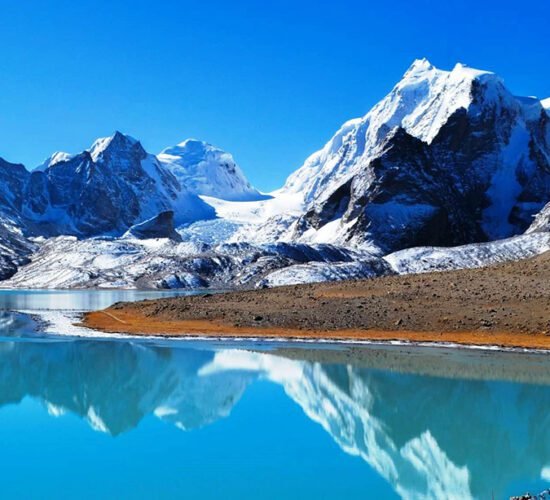
  1. Another criteria which makes Khangchendzonga National Park a World Heritage Site is the massive and visually beautiful massifs (the whole mountain system). The dominant presence of Mt Khangchendzonga (8,586 m (28,169 ft)) overshadows 20 other mountain peaks which surround it. The height of the peaks is over 6000 metres. These mountains include:
  • Mt. Siniolchu (East ridge)
  • Mt. Jannu (West ridge)
  • Mt. Kabru North (South ridge)
  • Twins (North ridge)
  • Pandim Peak (Southeast ridge)

The unique landscape of the park changes as the altitude increases. There are tall and rugged mountains and a layer of trees as elevation increases.

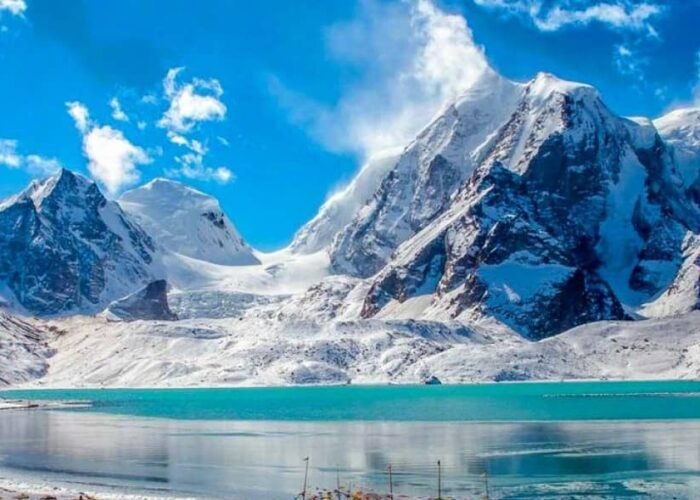
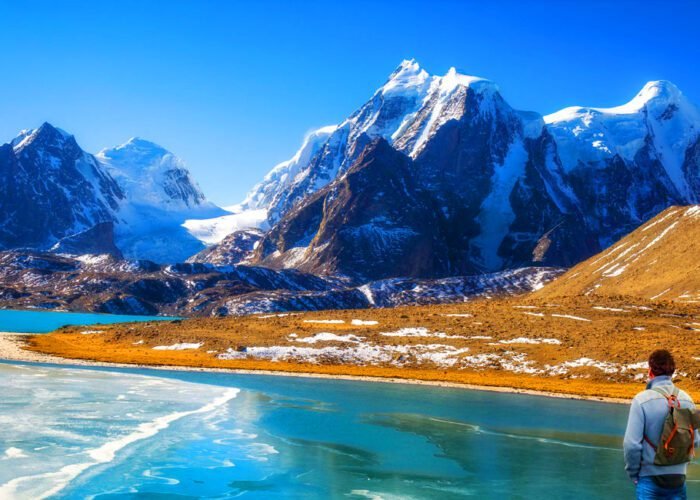
  1. The Khangchendzonga National Park has 18 major glaciers, serene and pristine glacial lakes, and also the famous Zemu glacier (26 km long). This unique sight attracts many spiritual seekers and mountaineers.
  2. Last but not least, Khangchendzonga National Park is a key biodiversity hotspot for rare Himalayan species, staying secure in diverse ecosystems. The Park is amongst the most significant biodiversity hotspots in India. Based on altitude, many plants and trees grow in this park, including:
  • Deciduous hardwood trees like Maple, Oak, & Chestnut,
  • Conifers like Pine, Fir, Juniper,
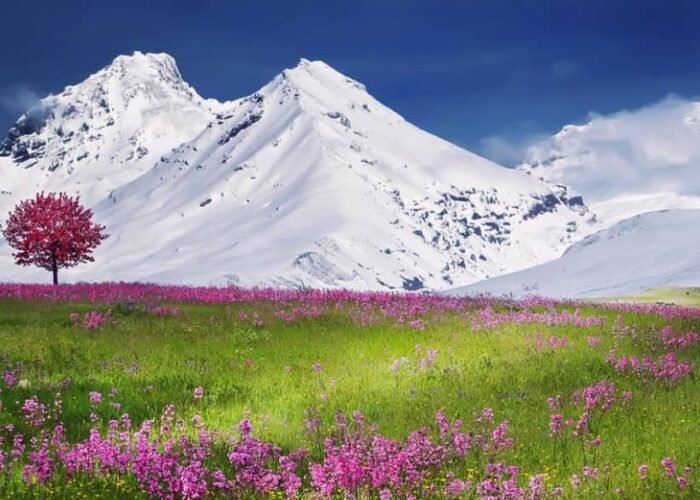
  • Flowers such as Rhododendrons (Sikkim’s State Flower) and 500+ species of orchids, among others.

The Khangchendzonga National Park is also a safe haven for many endemic animals like Snow Leopard, Clouded Leopard, Wild Cats, Red Panda (Sikkim’s State Animal), Himalayan Fox, Tibetan Wolf, Musk Deer, Black Bear, etc. There are also many varieties of elusive birds like Himalayan Monal, Blood Pheasant (Sikkim’s State Bird), Snow Pigeon, and Tibetan Snowcocks. Such a humongous diversity of birds and animals makes this park a notable sanctuary for Himalayan biodiversity.

Also Read: Wildlife in Sikkim

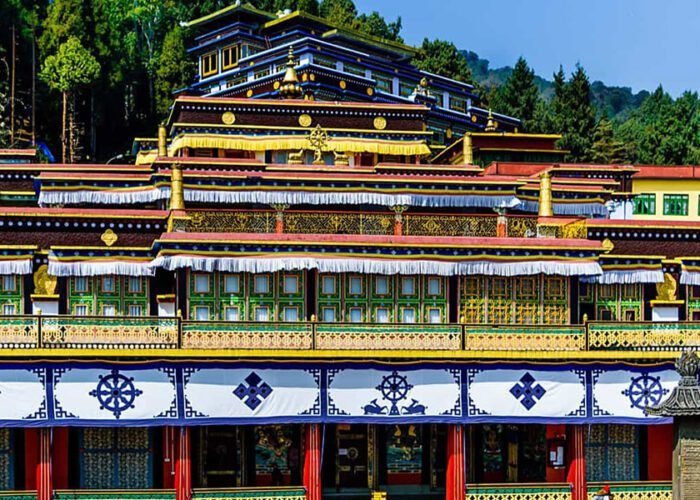
Apart from the natural architecture of the Khangchendzonga National Park, there are also chortens, gompas and several sacred shrines associated with sacred natural features. All the above mentioned criteria contribute to the Outstanding Universal Value to this park.

Khangchendzonga National Park is a sacred and protected site in Sikkim, maintained with great efforts. The entire park has a protected status under the Wildlife (Protection) Act, 1972 of India. This ensures robust legal protection of flora and fauna as well as mountains, lakes and glaciers which creates a safe habitat for wildlife.

What Travelers Can Experience?

  1. Khangchendzonga National Park, being a protected area, is not a typical or conventional tourist attraction where one can move freely and explore. There is no casual “jeep expedition” inside the Khangchendzonga National Park.
  2. A traveller needs a valid permit along with a guide to visit the Park and even then the entry is restricted to designated trekking routes and zones. One must always go through a registered Sikkim tour operator who can quickly arrange permits for you.
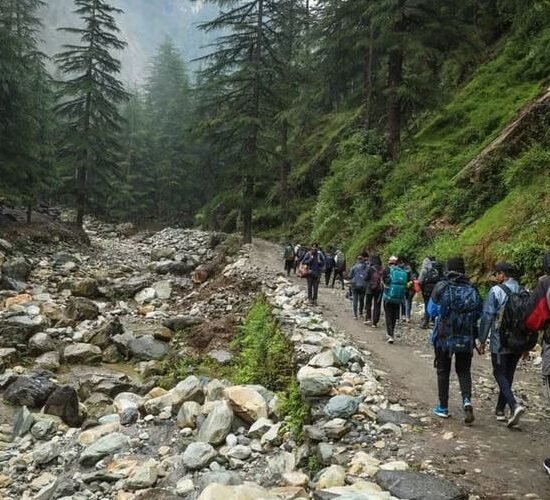
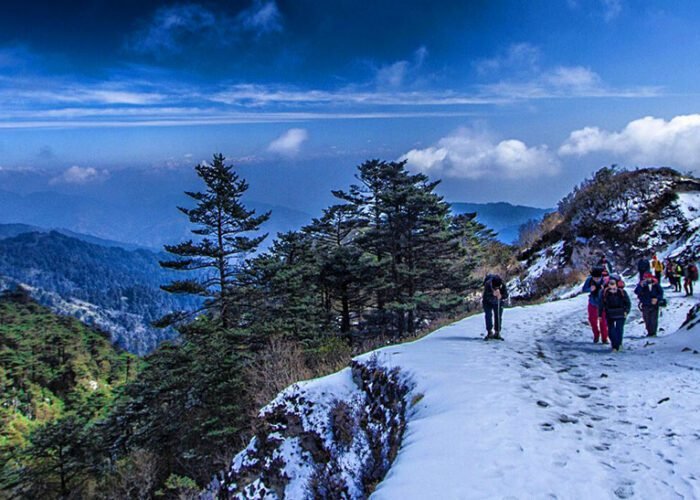
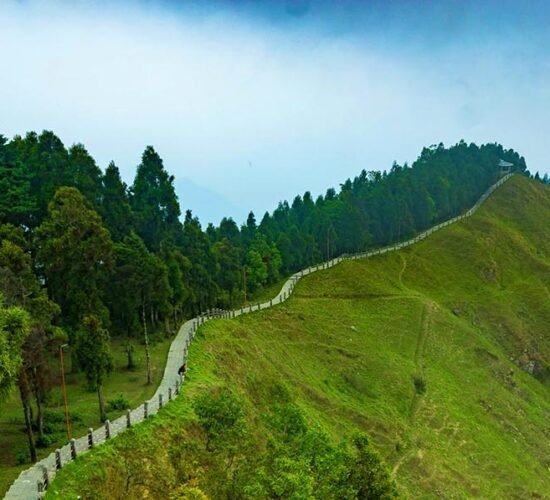
  3. The two most popular treks that will enable you to experience the beauty of this park are Goecha-La Trek and Dzongri Trek. The National Park offers both easy and challenging treks. Based on your experience and stamina, you can choose a trekking trail.
  4. The best time to trek in Khangchendzonga National Park is late April to early June and late September to November.
  5. Spring and Autumn offer pleasant days when the temperature is around 15 to 20°C (59-68°F) and cool nights near 5°C. Skip the winter season which is freezing cold and not ideal for exploration.

Frequently Asked Questions

Q1. Which shrine is located inside the Khangchendzonga National Park?

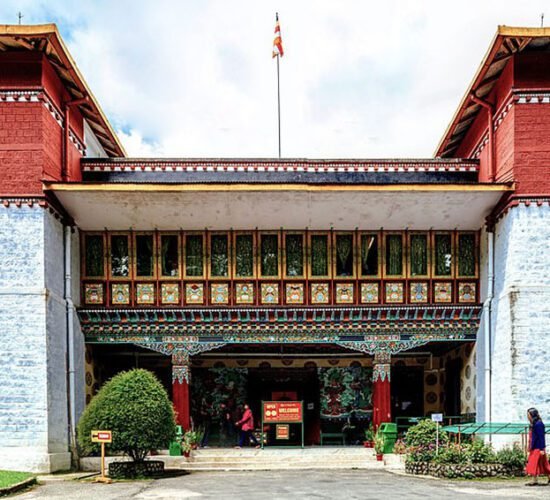
Tholung Monastery is located inside the Khangchendzonga National Park. This monastery was built in the 18th century  1789) by the fifth Lhatsun Pema Dechhen Gyatso. Various ancient texts, scriptures, and historic artifacts are kept safe in Tholung Monastery.

Q2. Under which heritage site category does the Khangchendzonga National Park fall?

The Khangchendzonga National Park falls under Mixed Heritage Site under the UNESCO World Heritage Sites List. The Park is a Mixed Heritage Site because it is a place of both cultural and natural significance.

Q3. What is Khangchendzonga Biosphere Reserve famous for?

Khangchendzonga Biosphere Reserve is famous for its rare wild animal and plant species, some of which are endemic, threatened or endangered.

Q4. Which animal is famous in Khangchendzonga National Park?

Snow leopard and Red Panda are two most famous animals residing in Khangchendzonga National Park.

Q5. What is the entry fee of Khangchendzonga National Park?

The entry fee of Khangchendzonga National Park is:

  • Indian Nationals – ₹350/-
  • Foreign Nationals – ₹400/-
  • Guide – ₹20/- (paid by the tourist)
  • The park is open from 10:00 am to 6:30 pm

Get Instant Support


    Why Choose Sikkim Tourism?

    • Experienced

      An experienced Sikkim tour operator, with a team of an experienced travel enthusiast ensure to give our clients well-designed Sikkim Gangtok tour packages.

    • Happy Customers

      Sikkim Tourism has received numerous accolades from its happy customers for its excellent services and best Sikkim holidays.

    • Local Offices

      We have local office in Sikkim for our customers to find assistance anytime and anywhere.


    Get a Question?

    Do not hesitage to give us a call. We are an expert team and we are happy to talk to you.

    +91-9810066496

    info@sikkimtourism.org

    Popular Sikkim Tour Packages

    Popular Places To Visit in Sikkim

    Customer Reviews

    • At times, there is a huge difference between what they offer and what they provide. However, SikkimTourism.org kept its promise to us. They put forth a lot of effort to make our trip to Sikkim the finest one ever.

      Kabir Sahni
      Solo Traveler
    • SIKKIMTOURISM.ORG assisted me in planning a trip for my family and me. I spoke with other tour guides and looked through numerous websites. But none could compare to Sikkim Tourism’s degree of professionalism.

      Rohit Agarwal
      Family Trip
    • Mr. ROHIT phoned me in response to my letter inquiry. He is a really helpful dude. I had a lot of concerns for him, such as the weather in Sikkim and if it was OK to bring my 2-year-old, and he patiently responded to all of them.

      Dilip Madhukar
      Solo Traveler
    • We were able to organise our journey to Gangtok, Tsomgo Lake, Baba Mandir, Nathu La, Yumthang Valley, Lachung, and Darjeeling as a result of his insightful ideas.

      Sanjay Sahni
      Group Traveler
    • The dates of our journey were February 7–15 of this year. The itinerary provided by Sikkim Tourism, our travel guide, was fantastic and guaranteed that our vacation will be memorable.

      Sanjig Garg
      Traveler
    • We need drivers who had a thorough understanding of the roads because Sikkim is situated in a hilly area and has twisty roads. We received these from SikkimTourism.ORG, which helped us feel secure.

      Santosh Sahani
      Traveler
    • Eight days were spent travelling. From day 1 to day 8, the schedule included all travel arrangements, information on the vehicles, accommodations, and meals. The crew, in particular Mr. Rohit, kept in touch with us well.

      Kaushik More
      Family Traveler
    • The accommodation, meals, and transportation arrangements were all well-taken care of. What I appreciated most were the safe travel itinerary and the on-time cab drivers. Overall, our trip was enjoyable. Thanks, SikkimToursim.org group

      Sangeeta
      Honeymoon Traveler
    • Excellent lodging, outstanding transportation, and lovely memories to cherish. Because of their smooth services, I would heartily suggest SIKKIMTOURISM.ORG tourism. I really appreciate it. Bravo to ROHIT and the rest of the SIKKIM TOURISM.ORG team.


      Priya Awasthi
      Solo Traveler
    • In April 2019, my family and I travelled to Sikkim and Darjeeling. We reserved our tour with SIKKIMTOURISM.ORG to make travel easier. I must say that the accommodations for travel, the mode of transportation, and how the trip was planned were all excellent.
      Sonu Sood
      Adventure Trip
    Special Offers

      x
      Get Free Quotes whatsapp icon